2025: A Non-Canon Year

In 2024 I kept up on a Patreon page with regular pieces about the media I consumed throughout the year and how it pertained to the events of my life, but I stopped writing upon my first trip to Thailand. Something happened to me there that scrambled my ability to interpret events. I needed more time to process. This is the result of that time. I have moved to Substack as it seems more suited to my goals, so this will be a new start here. The following is an account of the last year of my life, told through a loose “media diary” of the books, movies, and video games I consumed during each month. I track much of the passage of time and my frame of mind through the art and stories I experience. It is a way for me to make sense of this world, and others.
Enjoy.
WINTER
January: A Strange Nocturnal Creature
I start the year in an after-hours dance club in Bangkok, sweating against a half-Thai goth girl with a California drawl.

I had been behaving like a menace in Thailand (though not half as badly as some of my travel companions) and the seedy sex-pat traps, ladyboy cocks, and desperately grabbing hands had become too much for me days prior, leaving me wanting nothing more than a non-transactional soft embrace from someone who knew what I was actually saying. I had barely even wanted to go to Thailand. I was embarrassed to tell people about it. Clearly they’d think I was on some deviant sex tour. The Christmas KFC whores and vagina cigarettes made that hard to dispute, but I was really only there to see Andy.
I check out from the hotel and the clerk shows me a picture of the goth girl’s menstrual stains on my bed sheets, evidence for the additional fee tacked onto my bill. Andy and I are getting out of Bangkok for a while. Cool down. Calm our minds, recover before I hop back on a plane to America and say bye to my friend. Andy’s got a golf buddy and we rent a villa with him in the quiet beach town of Hua Hin. Of course, we’ll still go big on the last night before heading back, and that’s why Andy brought the mushrooms. But when we arrive at the villa, Andy sees that his tin of mushroom gummies has taken on a pool of ice melt in the cooler during the van ride over. They’re dissolving. Rainbow pool of hallucinogenic Haribo soup.
“Uhhh… we gotta eat ‘em right now,” he rationalizes. So we do. And upon minute one of our “health retreat” we take a loop-de-loop ride down Rainbow Road on the backs of motorbikes straight past our well-intended week of clean eating and Muay Thai workouts and straight into yet another week of partying.
I make a vacation girlfriend and she hangs with us all week when she’s not working. Goes out with us and bullies us into drinking more/staying out later in that way that only Thai women can.
“I want more beer,” she says.
“We have beers back at the villa.”
“No, but I want it now.” She’s talking to our golf buddy’s girlfriend, the only other one among us who speaks Thai, and evidently they’ve hit that point of irreversible momentum in a conversation that absolutely demands another round.
Later, an angry prostitute, lost in translation, ends up at the villa trying to shake us down and my new girlfriend has to smooth things over.
Nursing a hangover with a smoothie from the cafe next door, I wake up and read the collection of William Gibson essays, Distrust That Particular Flavor, on our villa balcony overlooking the pool while Andy is out golfing with his pal.
Regardless of the number and power of the tools used to extract patterns from information, any sense of meaning depends on context, with interpretation coming along in support of one agenda or another. A world of informational transparency will necessarily be one of deliriously multiple viewpoints, shot through with misinformation, disinformation, conspiracy theories and a quotidian degree of madness. We may be able to see what’s going on more quickly, but that doesn’t mean we’ll agree about it any more readily.
Much of Gibson’s essays in the collection dwell on Southeast Asian travels, technology, and fiction, and so I find it to be a fitting read, but more than anything it makes me want to rewatch Johnny Mnemonic. Having had my fill, I think perhaps that I will never come back to Thailand.
On the airplanes back home I watch a deluge of films and it occurs to me that international flights provide a far better movie-viewing experience than anything offered by our shitty, over-priced streaming services. Clint Eastwood’s Richard Jewell is the standout from the 30 hour sojourn, and I am increasingly finding myself drawn to the emotional vulnerability of high altitudes and travel fatigue. I like these in-between spaces, am drawn to them.
Hangovers, jet-lag, and snow days offer similar phenomena, and it is under these influences back home in my nunnery sanctuary that I play Castlevania: Order of Ecclesia. A front half of linear level progression shifts to a back half that is massively interconnected within the eponymous castle setting. This asymmetrical structure combined with gorgeous 2D graphics makes this my favorite of the Nintendo DS Castlevania games. Ideally, Castlevania is to be played in October, but January is a nice second, and a Cabernet Sauvignon can be paired with it in either month.
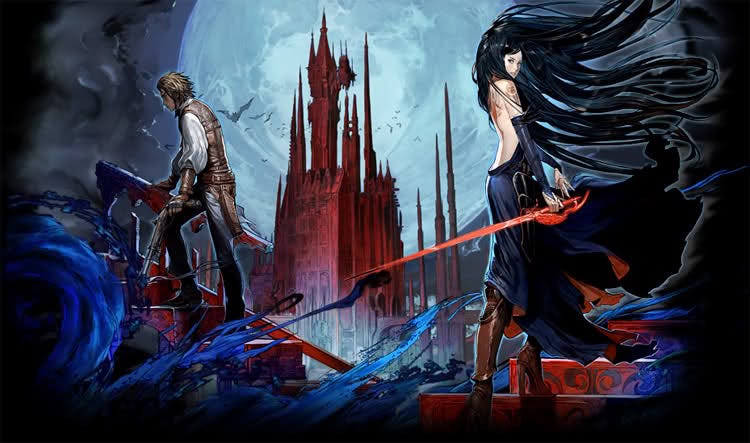
I am a strange, nocturnal creature as I play this game, avoiding the outside world, hovering at my windows watching the punishing snow whip down the street from within the warm heart of my manor. I feel I should be draped in something, and the blanket I claimed from my grandmother’s house after she died does the trick. Purchased less than a year prior, I had been living in the former nunnery by myself, but while I was away in Thailand two of my friends had moved in upstairs and started their new year with a leaky roof I had to address from the other side of the world. As I navigate jet-lag and my own subconscious at hours that can’t be named, their creaking footsteps from above keep the time of a working man’s hours.
Time is becoming real again, so I venture out to the nexus of civilization in my quadrant of Cleveland’s West Side: Great Northern Mall. I visit the Asian convenience store, hoping to see the cute Chinese girl behind the counter that I have developed a crush on since the pseudo-konbini opened up some months prior, but she isn’t there. Emboldened by my recent travels abroad I thought I might make a move on her, but alas, I have returned to a companionless status quo on my home side of the planet.
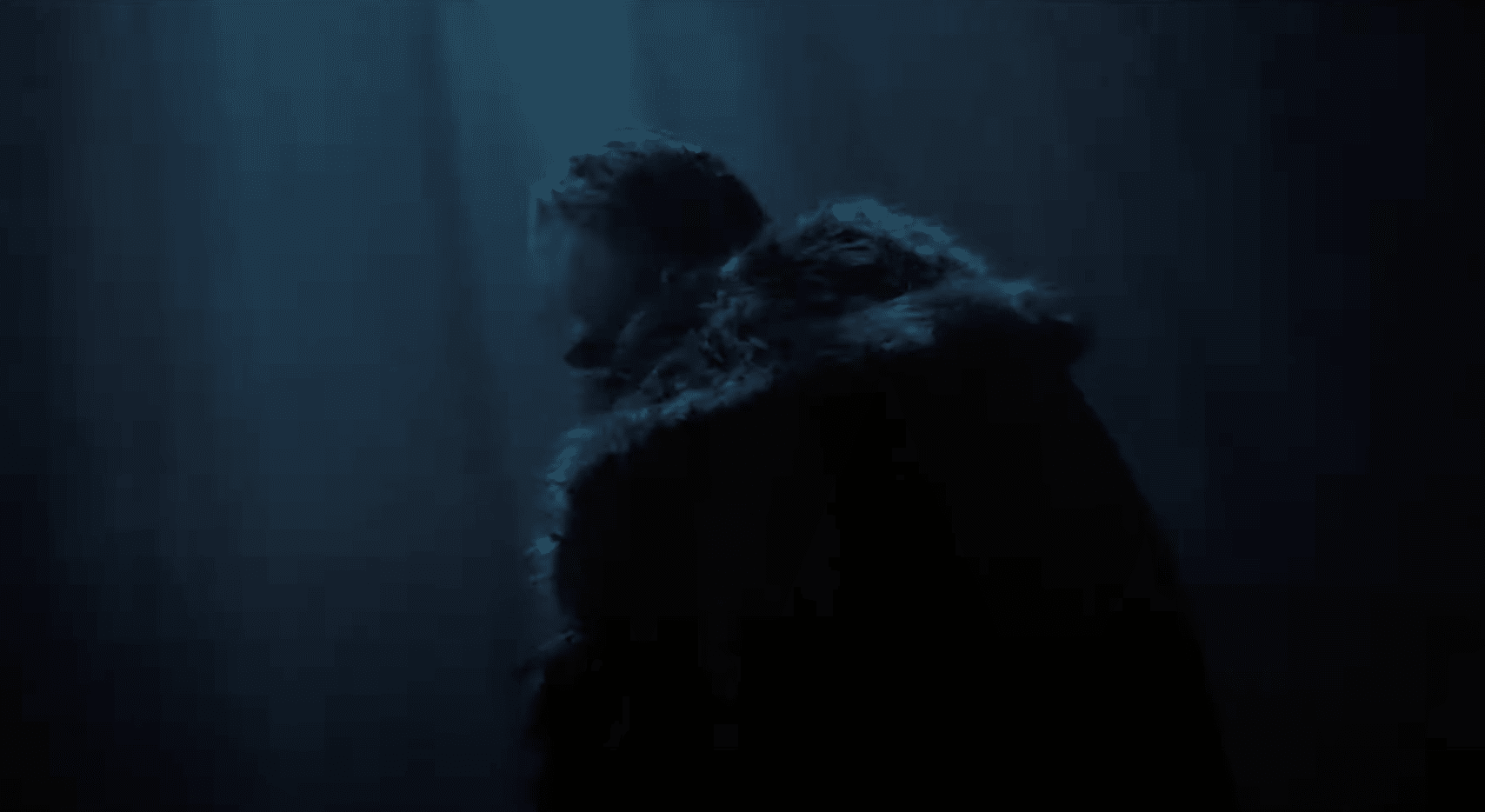
I see Robert Eggers’ Nosferatu at the mall theater. It is dark and sexual and beautiful and I wonder what my ex would think of it. We’ve been apart for two years now, twice as long as we were ever together, and yet these thoughts still show up uninvited. The third act bores and angers me. Characters come up with a plan, state it plainly, and address and accept its consequences. They then execute the plan accordingly, without hiccup, and incur the consequences they anticipated. No surprises, no deviations. The opposite of drama. I imagine my ex would roll her eyes at my observation of this.
February: Reality-Lag Overtime
While my friends live upstairs, I have the first floor to myself, and I find this to be the perfect balance—a way to keep an homage to my old punk art commune ways of living while commanding some space to myself. This is offset when a grip department friend drunkenly shows up at my door telling me he has left his fiancee. I consolidate my office into my workshop and make up a spare bedroom for him. I am a fool to think my days of having roommates are behind me. But I am happy to help a friend. It’s what this place is for. I have named it Brother Base.
I take a brief gig working on reshoots for the Hulu movie Eenie Meanie and then spend the majority of the month rewatching the entirety of Cobra Kai as I lead up to the release of the series’ sixth and final season. I owe my exposure to this show to my very good friend, Weegar, who had jumped on it early back when it was a YouTube Red exclusive.
“It’s everything you like, Lange,” he practically yelled at me back in 2018. And he was right: male rivalries that turn to camraderie, martial arts campiness, arcade beat-em-up aesthetics… It became quite possibly my favorite TV show ever. As I rewatch it, I think about how Weegar is five months into his fight with stomach cancer, stage 4 at his initial diagnosis. I had learned of his diagnosis shortly before I left for Japan/Thailand and I made a point of seeing him before I took off. I thought maybe it would be the last time I’d see him. A mutual buddy brought his VR set and we played Superhot. Weegar candidly took video of us in the headset, laughing at how stupid we all looked. I don’t always know how to be there for him during his fight, so for the most part we keep things the way they have always been: talking about games, shows, movies, and comics. The second season of Cobra Kai has an episode that deals with losing a friend to cancer and I dread revisiting it.
Cobra Kai never dies.
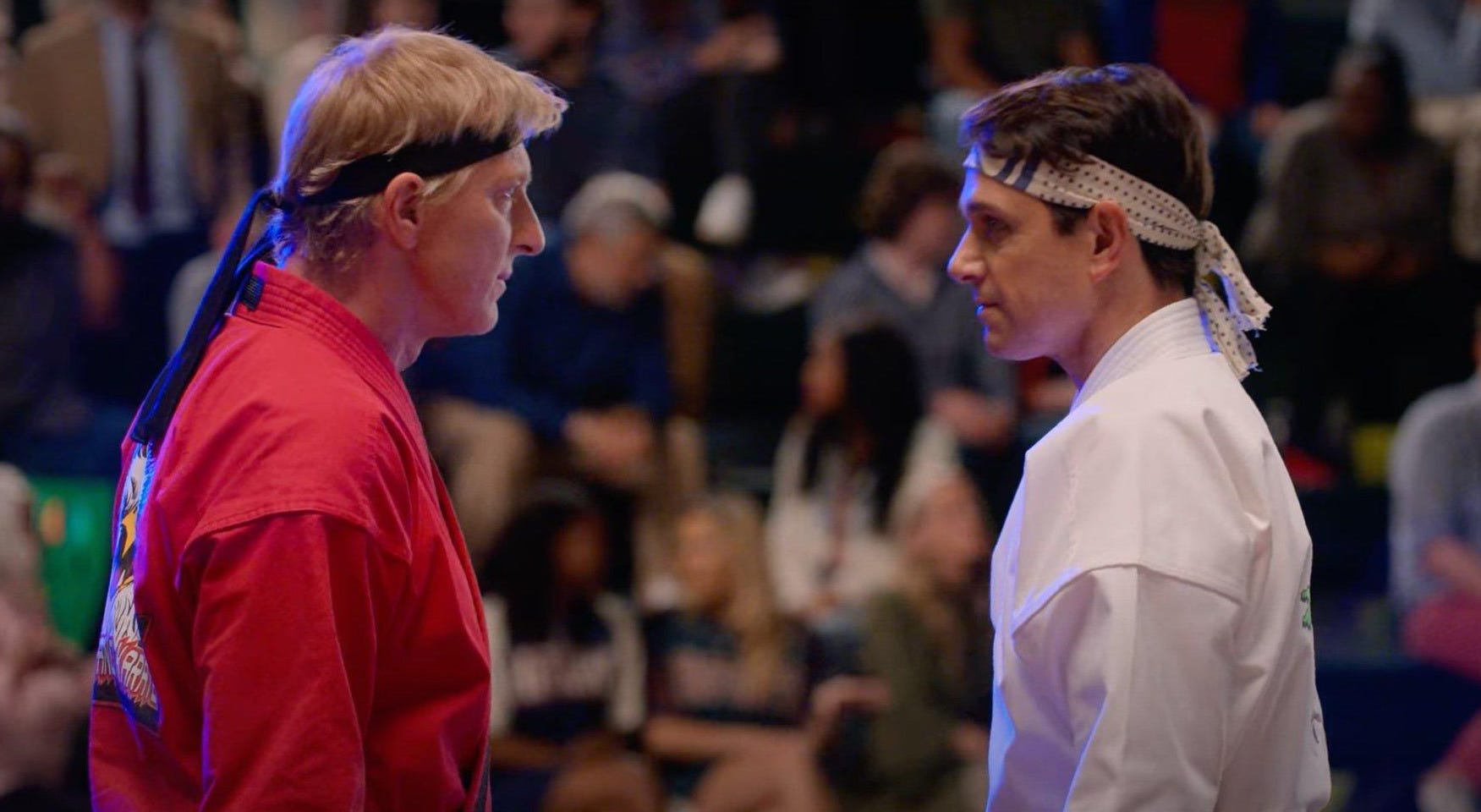
I cannot properly express the weight this goofy Karate Kid sequel series has in my life and soul, and I will not try to. Suffice to say, it effects me on such a deeply personal level that I am hesitant to watch it with anyone else in the room, and I have to time out when I watch episodes in between the disruptive appearances of my new roommate. The show finishes perfectly, and as I go for a run in the snow after watching it, I contemplate contacting my ex, but opt for stopping by a friend’s house to meet her new dog instead.
I return to the mall to see my konbini crush and get her name (progress). Then I see Captain America: Brave New World and it is a terrible movie that reeks of cowardly second-guessing from tasteless studio execs, though it has probably the best Harrison Ford performance I’ve seen in the past twenty years. Skies no longer look real in movies, underscored by the effulgent hair lights that plea to the heavens to separate their subjects from green screen and LED backdrops, betraying all sense of presence.
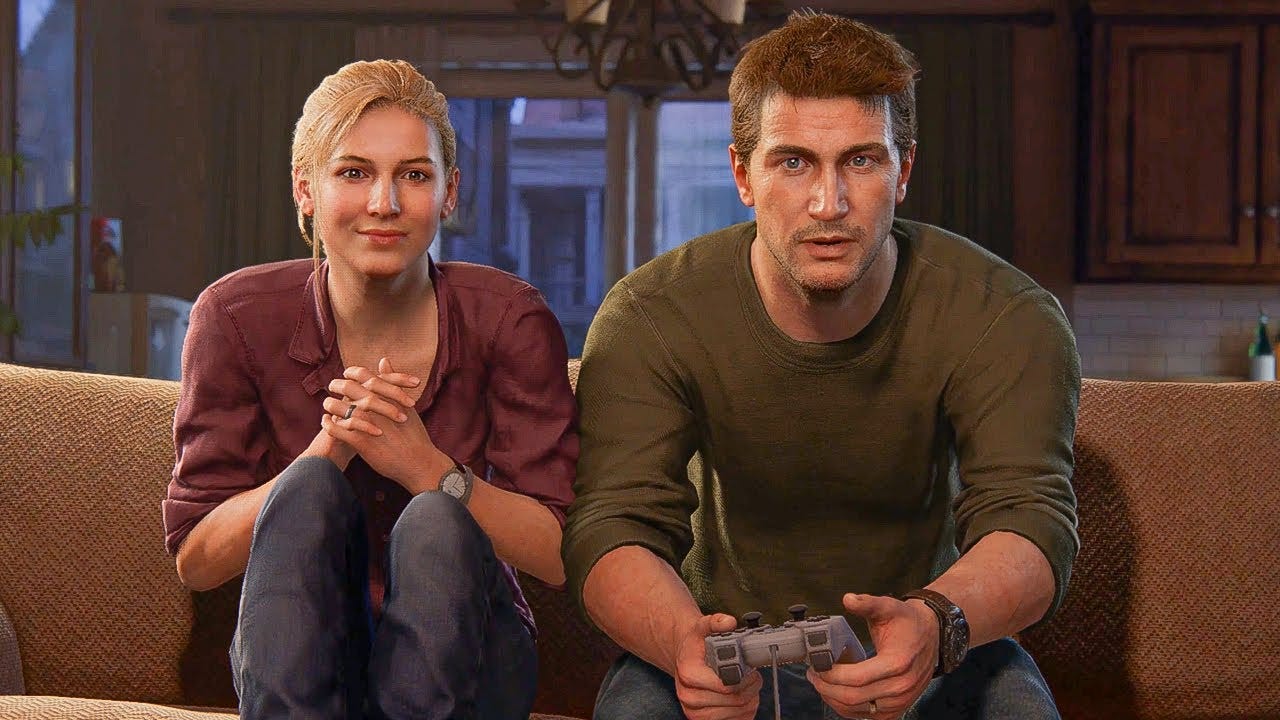
I host my friend and her new dog as I play a performed version of Uncharted 4: A Thief’s End upon her request. We have a lazy history of this, her watching me play games. It brings to the surface the dual role of the player as both audience and performer. Players make choices, control the camera, set the pace of the story. We are writers, actors, cinematographers, directors, editors. Having played the game before, I know how to anticipate all this for her benefit. I really lean into my jobless, winter days back home for this, and despite the brief stint with Hulu I feel as though I am extending that space beyond time from my jet-lag, dragging my return to reality out into overtime.
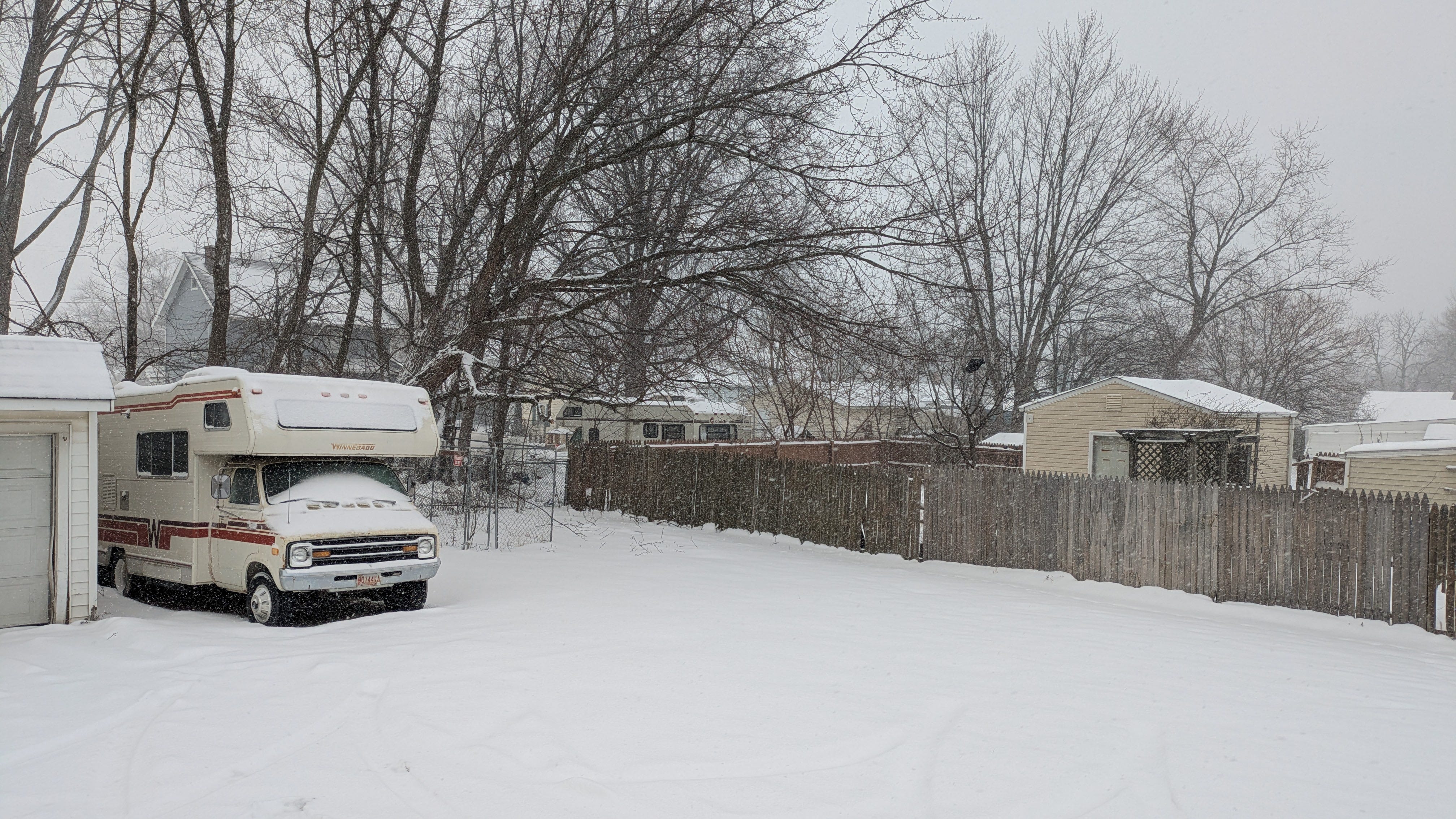
In that space I read Drowning in Beauty, a collection of shorts from those in the Neo-Decadent literary movement. James Champagne’s entry, Xyschaton (Achronology Mix), features a scheme to travel back in time to November, 17th 2004 to secretly rape his twelve-year-old self on the night that he (and I) first played Metal Gear Solid 3: Snake Eater. I, however, was sixteen at the time, and after its release, Snake Eater was the talk of the hallways at my high school among anyone actually worth talking to, which included Weegar.
March: The North American Version Offers No Such Luxury
Another reshoot gig, this time for the horror movie Shelby Oaks which had its principal photography three years prior while I was on a different job in Cleveland.
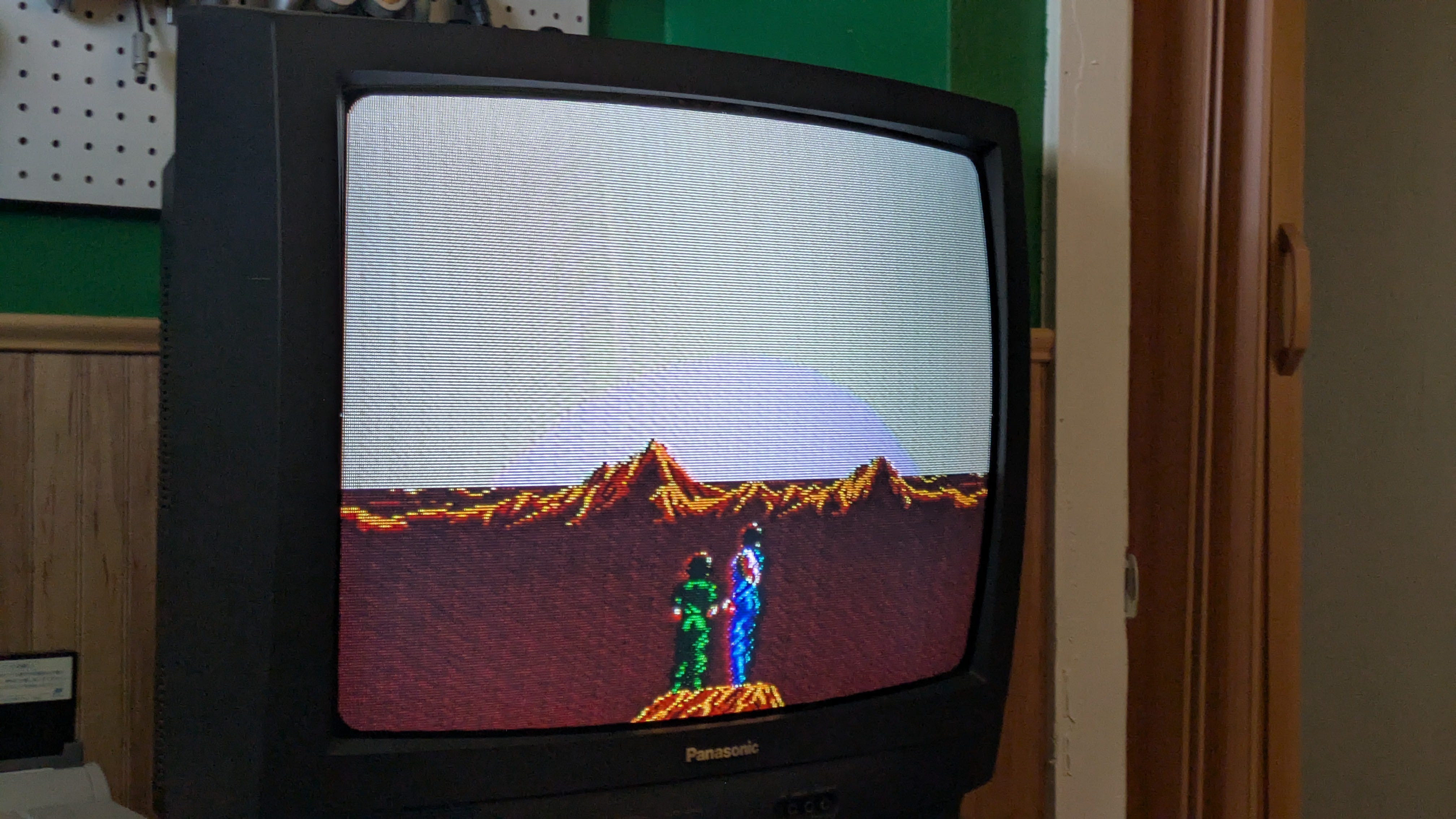
My birthday weekend. I play through all three of the original Ninja Gaiden games with two of my best friends, the three of us being a trinity of retro gaming heroes with victories spanning decades. The first Ninja Gaiden on the NES is a top ten favorite, an exemplar of 8-bit purity in challenge and design, a rhythmic trance of defeat and triumph baked into archetypal narrative propulsion. The second in the series only just misses that impossibly high bar, and the third had been insurmountable my entire life by having an exceedingly punishing NA version that stonewalls players with limited attempts before hitting them with a hard reset. While the first two are oppressively difficult, they carry the one saving grace of giving the player infinite attempts at each level. The North American version of the third game offers no such luxury, so I had to find a Japanese version in Kamakura, and it’s that Famicom version of the game that we finally beat for my birthday, via an adaptor for my NES. While the first two games end with beautiful pixel sunsets, the third ends with Ryu Hayabusa looking out over a sunrise. These closing images of retro games mean something to me: pixel-crystallized moments of closure, clarity, and purpose. I take photos of them as I find them throughout my life. It’s best when the games hold these screens indefinitely, with no return to the title, as though nothing else in the reality of the game world matters more than this single, earned instant. All that’s left is to hold the image, study it and reflect, until ultimately I power off the console with its chunky plastic switch and turn off the TV, letting the soft whine of lingering electricity hang in the empty space before getting on with my reality.
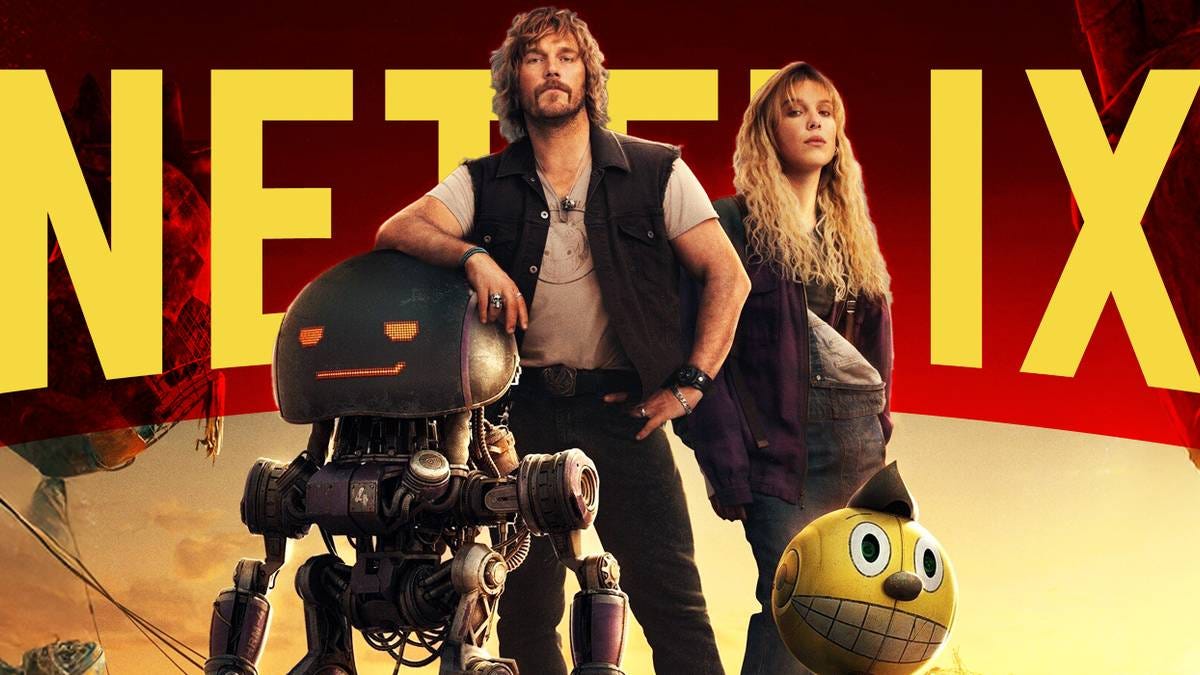
Back at the mall, I see The Electric State, and even more-so than that fourth Captain America movie, this is truly the most unforgivably algorithmic movie I have ever seen. A Netflix production in every soulless way, procedurally built by either committee or AI (what does it matter?), I see it in a proper theater as part of a free sneak preview and I can’t think of a place less suited for this trash. The movie demands that you split your attention elsewhere, whether folding laundry, or on the phone, or coaxing your cat to swallow pills—it insults you for paying attention. Ted Sarandos is convinced that people don’t want to go to movie theaters anymore, and he seems determined to prove that by turning movies into unwatchable garbage and retroactively convincing audiences that that’s what they’ve always been. He’s partly right: no one should be paying that much attention to Netflix. These films are not worthy of congregation or cultural relevance. The Electric State is so bad that it makes every single individual item represented within it—even those previously valued in their own right—stupider, uncool, and meaningless by association, including: directors from Cleveland, concept art, mustaches, Danzig’s Mother, Giancarlo Esposito, memories, and ideas in general.
Mountainhead by New Juche is a book that circulates much of the Neo-Decadent conversations, popping up in their Substacks and Discord and conversations with my brother while I drive him around so he can run basic errands. Whether wittingly or otherwise, the Neo-Decadents have constructed their own canon that expands beyond the works of those within their rank. Once more I find myself making the mistake of reading a book in public that is decidedly ill-suited for such settings. The lyrical magic of its prose sets the story apart from merely being a sexually explicit travel diary through Thailand and Southeast Asia, blending like semen with soil as the narrator is apt to do, though it is the reader that is made to eat it.
The religious and sexual possibilities of forest here in upland Southeast Asia, aside from a visionary rubric of the ascetic ideal—being lost, mastering fear and magic and so on—can be understood in terms of the sensory cacophony that the environment is made up from…
I pick a matt-purple insect off a rubbery leaf and it shoots a thick jet of coppery urine across my arm, and I’m provoked by the sexual implications of it.
I am absolved in knowing that my behavior in Thailand was saintly by comparison.
SPRING
April: Pizza and Punishment
Gigs are sparse. Time to start pretending like I have a job. There are so many of us who do nothing of any importance at all for a living: sending emails that don’t need to be read, designing graphic layouts for junk mail that goes straight to the trash, repairing roads that could have been built to last from the start, trying to “innovate” on refrigerators, anything concerning “apps,” CEOs etc. These serve the ceaseless churn of capital and nothing more. I may convince myself that I am doing something valuable when I work on movies, but I have no such delusions when I take a commercial job. This month, I take a job on a car commercial. The commercial itself is pointless enough, but my job on it is truly unnecessary: remote, unsupervised, and without deliverables. I honestly try to do something, but more often than not I’m at diners reading Justin Isis’s The Aristocracy of Weak Nerves (And One Other).
During my late teens I began consuming Bibles, wettening their pages with my semen or saliva and crumpling them into small balls which I ate with black pepper.
The check clears, and my only other takeaway from the job is my discovery that Max and Erma’s still exists. This is not what I saw for myself when I first dreamed of working in the film industry.
Maybe I’ll never work in movies again.
It’s the time of year for that thought to take up residence again, as the new year thaw sets in. The hungover, jet-lagged, frozen days are long past their expiration date. Time to be restless. Time to start thinking I’ll never measure up to my expectations for myself. Time to start resenting Cleveland, home, all the things that have kept me here. Time to also resent my desire to do “more” without knowing what that even means, though definitely being afraid that it means being a “better” worker bee. Success: be a better tax-payer. Turn your hobbies into profit. Turn your free time into profit. Turn your thoughts into profit. Wake up and grind. Get yours. Write more. Make art. Be heard. Share your thoughts. Share your perspective. Surely, that matters. Surely people must hear what I have to say, my pithy comments, my fragile ego. Me, me, me. My art. My words. I’m the one to listen to.
I panic.
I reset.
2007. I am nineteen years old, in my first apartment, sharing a bedroom with my friend who I will beat the Ninja Gaiden trilogy with on my 37th birthday eighteen years later. Our other good friend obsessively plays WoW in the other bedroom, his Nintendo DS always on top of the toilet with either a Pokemon or Kirby game in it. I am working at a pizza shop paying my way through community college. A friend works at the record store around the corner. Eighteen years later she will bring her dog over and watch me play Uncharted 4, but now she is still in high school and has raccoon eye makeup and walks over after her shifts every week. The first Uncharted game won’t come out until November, alongside Super Mario Galaxy and Assassin’s Creed. She often catches us playing: Bomberman 2, Tetris Attack, Super Smash Bros. Melee, Guilty Gear XX Accent Core, Street Fighter 3: Third Strike, World Class Track Meet (with Power Pad), Logic Bomb, Tom Clancy’s Splinter Cell: Chaos Theory, the PS2 trilogy of Sly Cooper games, The Legend of Zelda, Fighter’s Destiny, and Todd’s Adventures in Slime World, among others. There is a revolving door of friends at all times. At the kitchen table, eight years before killing himself, Voelker has his Pokemon cards scattered out among Chipotle and Wendy’s trash. Seventeen years before his cancer diagnosis, Weegar babysits us as we smoke still-legal salvia out of tin foil pipes and pass out, chronicling every stupid thing we say and recounting it to us later between deep guffaws: “You told me we were all made out of pipes.” I have never been on a movie set. I have never made more than minimum wage. I have been drunk once. I have had sex (barely) with one girl. I do not have a social media account. I have not made a YouTube video. I have not joined a sketch comedy team. I have not written a blog, or journal, or review, or personal essay that wasn’t a classroom assignment. I do often dream of designing video games or writing movies, and regularly compile extensive notes and outlines for such fantasy projects without any professional or practical pursuit of their fruition. These speculative documents are almost never seen by anyone but me. I go to class. I go to the pizza shop. I come back to the apartment and I play video games with my friends. I do not care if anyone outside of my circle of friends hears what I have to say: the validation of strangers is meaningless to me. It occurs to me that I am perfectly happy and this is all I want: an endless loop of laughs, pizza, and games.
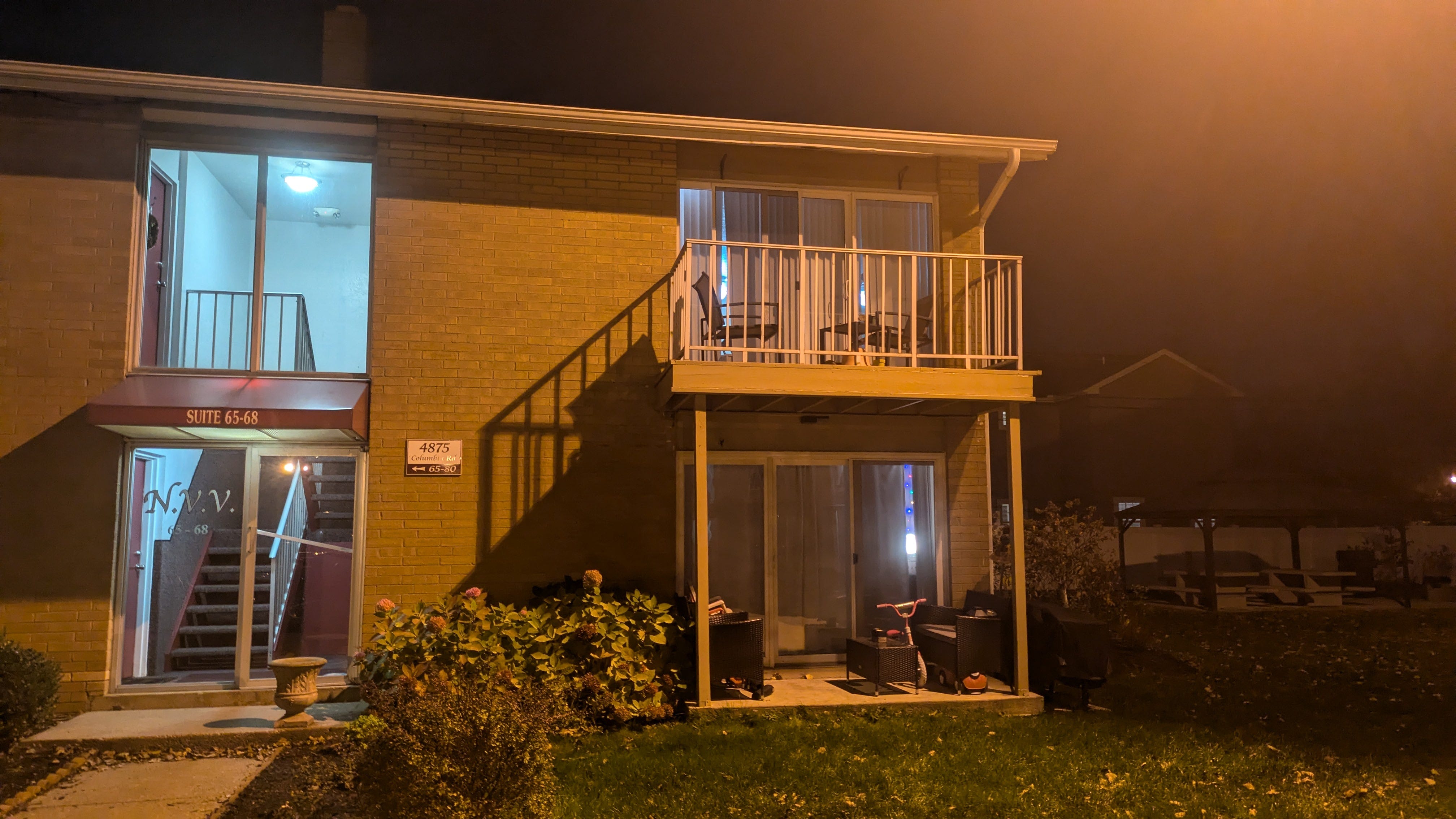
2025. I will build a time machine. I will reconstruct my past. I start with pizza. I get a job at a pizza shop with a delivery zone that includes my home. I am delivering food again, learning my neighborhood, listening to Metallica, Saliva, Creed, on FM radio. I roll my window down. I go home with cash every night. I set foot for the first time into buildings I have driven past over and over again for years, learning secrets. There are no film productions to speak of.
Next, I purchase a PlayStation 2 game. Weegar has spoken about it for years, long before his cancer: The Punisher. Partly inspired by Garth Ennis’ run on Punisher MAX, partly inspired by the 2004 film starring Thomas Jane, I spend too much money ordering the first half of the comics and two minutes digging up my old DVD of the movie; I spend $100 on the game itself, after driving nearly an hour to an Exchange store in Canton, even though Weegar offered to lend it to me. My PS2 is connected to a CRT television in my wood paneled, Nintendo Power poster-plastered room. I am prepared for my time off between pizza shifts.
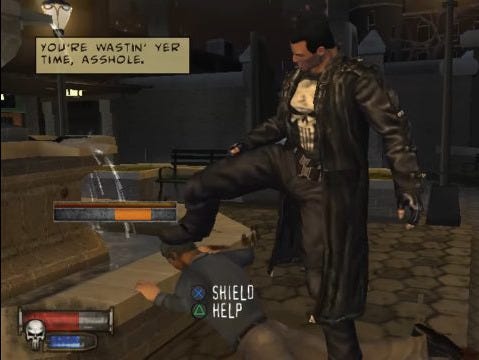
There is a missing component to my time machine. In 2007 I was powering through general education requirements at community college, not knowing where I would transfer, but knowing that the credits would certainly be cheaper that way. My major was still undecided, my plan was far from fully formed. But it did not matter. While I despised most of my courses (outside of Intro to Mythology), I was still freshly out of high school and thus thoroughly accustomed to bullshitting my way through coursework. This allowed for an inarguable sense that I was in the right place doing the right thing—that I was following the script (even if I hated the script). My plan was not fully formed, but it did involve getting a four year degree (in hindsight, this was completely useless, but at the time—following the script—it felt absolutely necessary). So even though I was operating under an illusion that would cost me tens of thousands of dollars (decidedly less than the costs endured by my siblings and peers due to my community college courses) and give me nothing in return, I believed in the illusion, and therefor I felt completely guilt-free and at peace with my cycle of laughs, pizza, and games. As long as I was on track for that four year degree, I felt 100% certain that there was nothing more I should be doing with my life, and everything else I did outside of that coursework was strictly bonus. I made rent, I passed my classes. There were no other expectations of me. The way to then optimize my life was to meet these two expectations with the minimum amount of time and effort, increasing the time and energy I had for all things “bonus,” an ambition at which I assuredly excelled. This is what I have found myself missing the most about schooldays: their ability to provide the shortest possible path to a sense of clarity and “purpose.” Once that degree was achieved, fool’s gold though it was, the path was never again as clear. My time machine requires a substitute for schoolwork. I look ahead. I will become an English teacher in Japan. Maybe I really never will work on a movie again. First, I will need to get certified, and that means classes.
With this last component acquired, my time machine is complete. My mornings start on the computer, with online coursework, a gross substitute for the real thing. Part of my certification does require some in-person practicum, so the days that don’t start on a computer start in a proper classroom where I assist a teacher in teaching English to the immigrants and refugees that color the areas of Cleveland I don’t often see. From there, I go to the pizza shop. I am uncomfortably the dead center of the age range in the pizza kitchen, flanked by teenage girls on one side and sixty-year-old men on the other. Once the shift is over, I go home and I play The Punisher or I read Punisher comics with the smell of the pizza kitchen still clinging to my clothes. My time machine lasts for over a month.

During this time I go to the Cleveland International Film Festival with my brother. Unsure of what to see, we land on A Slice of Life: The American Dream. In Old Pizza Huts, a documentary about old Pizza Huts that have found a second life as new restaurants, weed shops, churches, etc. After, I start to see the inverted trapezoidal windows of former Huts all around my neighborhood/delivery zone, in diners I go to with my father. My time machine is an old Pizza Hut and I am a haunted chrononaut within its capsule walls. The past I seek to recreate exists outside, but I cannot leave the confines of my Pizza Hut capsule. I can only observe the outside past from within, through upside-down trapezoidal portholes.
May: DOOMED
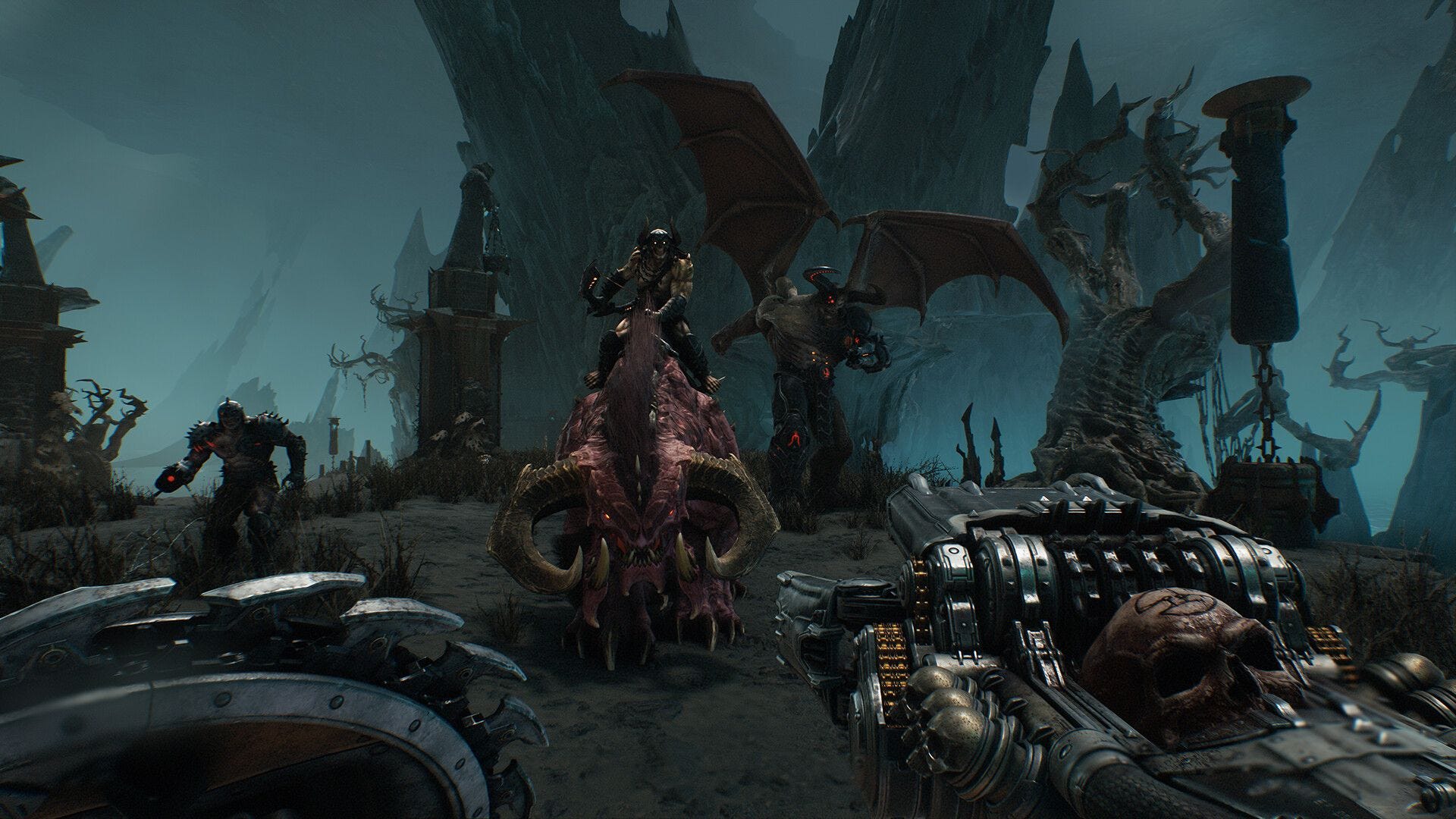
I am shocked by how little money I make at the pizza shop, which I suppose makes me an idiot. I finish my certification class and begin applying for teaching jobs in Japan, which actually require my college degree—the first time I have ever had a need for it—and so I order it from Chicago and see my degree for the very first time, fifteen years after earning it. I replay DOOM: Eternal before starting DOOM: The Dark Ages, the latest in a series which historically pairs well with pizza.
I get called to work on a TV pilot in West Virginia. I quit the pizza job. They are mad I didn’t give them more notice. The time machine has fallen apart. A worthwhile experiment, but I don’t know what I have learned from it. I have just the right amount of time to clean some things up at home before I go out of town for a while. I’ll ruminate on my time travels. Try to make sense of them.
Memorial Day Weekend. I go see Weegar. I know he’s months into chemo, but I will never know the real details of what he’s going through. He doesn’t want me to know or he just doesn’t want to talk about it all over again with yet another person. I’m not a doctor, I’m not a caretaker. There’s no point in me knowing. That’s not what I’m here for and that’s not why we’re friends. I tell him I finally played The Punisher and that I’ve been reading the MAX series. “I laugh every time I think about Barracuda,” he says. Barracuda is a villain that shows up in the back half of the Punisher MAX run that I didn’t purchase and haven’t read yet. These issues are surprisingly rare and expensive. Weegar has a phenomenal knack for finding humor in things I wouldn’t have noticed on the first pass. Another recommendation of his I’ll have to get to eventually. I have to take these opportunities to see Weegar while he’s feeling well enough for visits, especially since I’ll be going out of town soon.
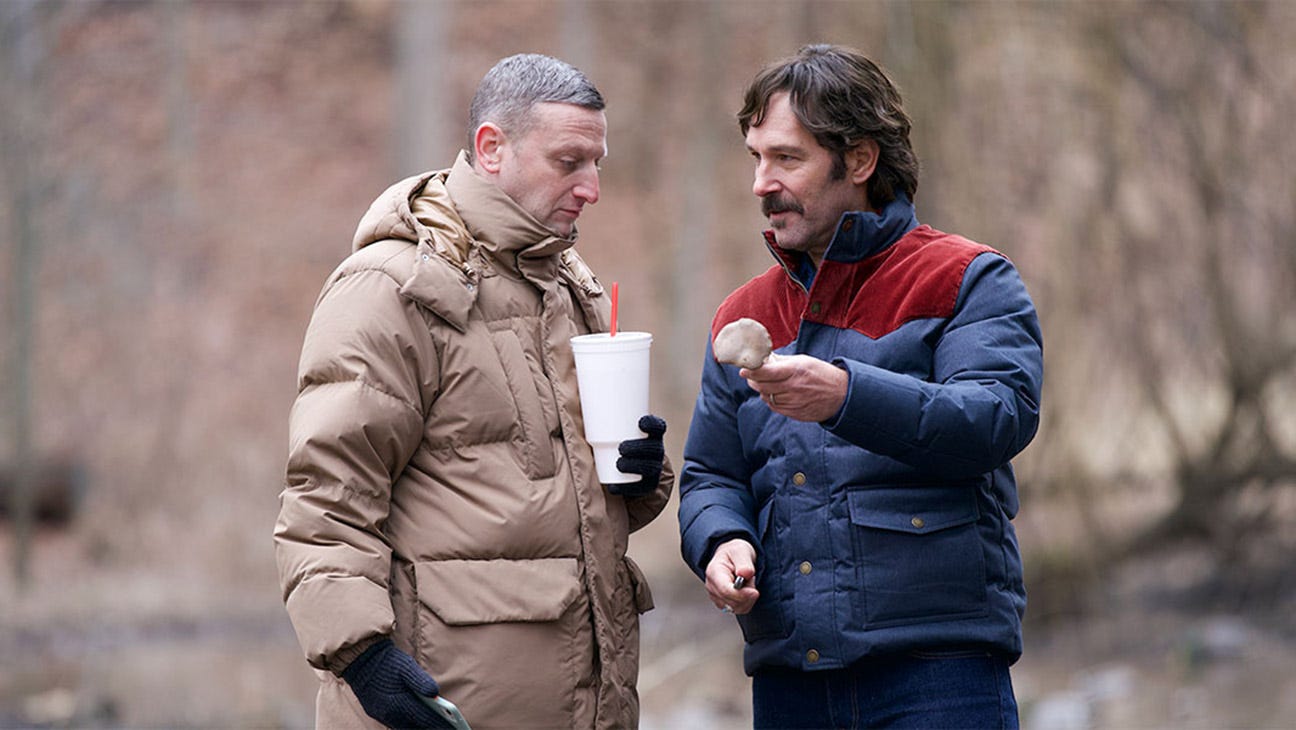
After, I go to the movies to see Friendship with the biggest group of friends I have seen a movie with in ages. We have hyped up the release of this comedy, and some have come in from out of town for us to see it together. Some of them are obnoxiously drunk, loudly talking through much of the film, incurring the vocal wrath of strangers in the theater. I am embarrassed and enraged. My friends have broken one of my most precious codes of conduct and I feel let down and betrayed. Pale, thin, dying Weegar is on my mind. My time machine is broken. I want to leave. I want to go far away for a long, long time.
I will start in West Virginia. It may not seem far enough away; it is hardly two hours by car, yet it feels like another world. Lush mountains; morning drives through clouds; wet, wet heat. Mountain towns make me think of Raccoon City and I text pictures to Weegar (Resident Evil is another recurring subject for us).
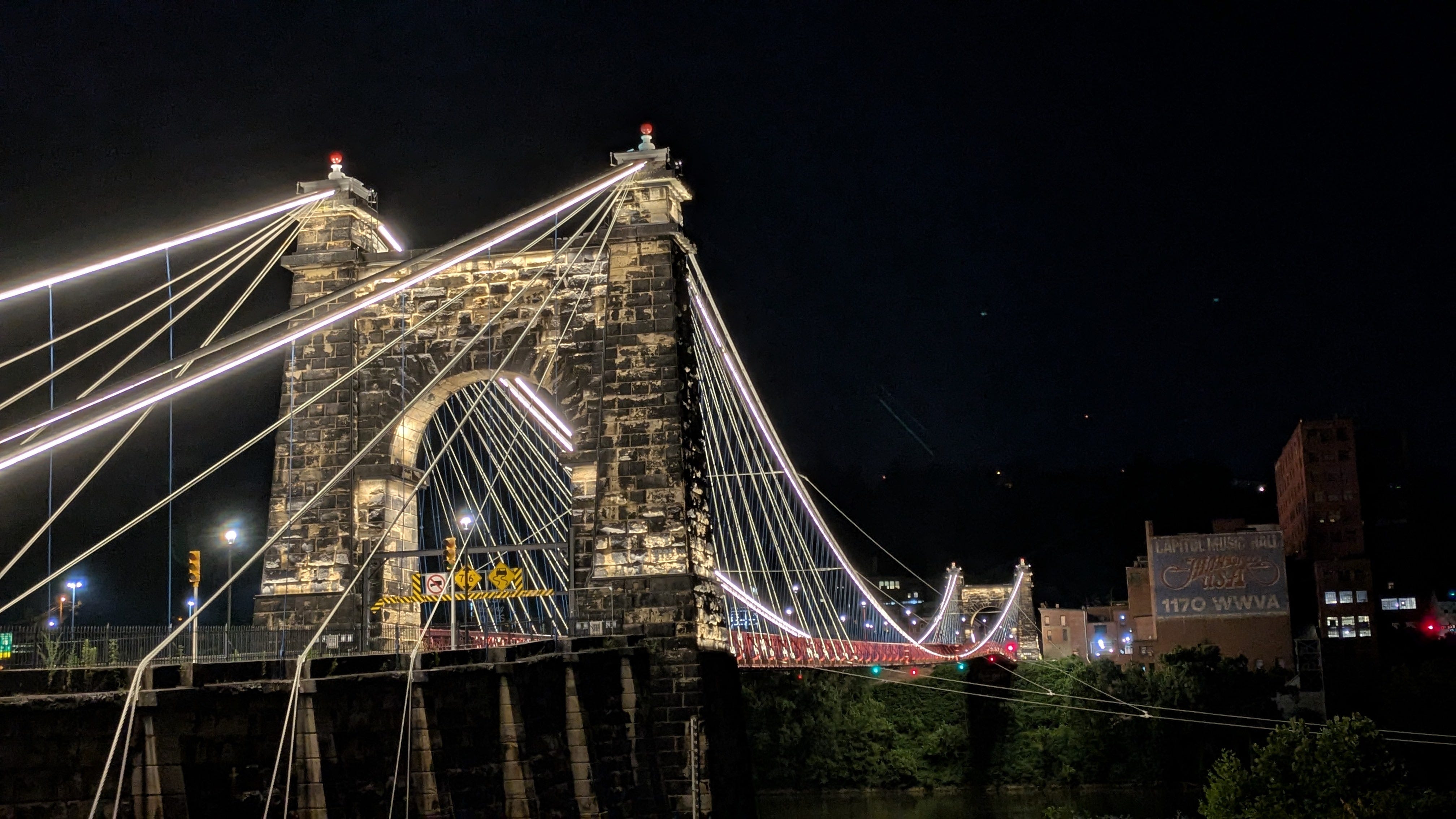
“Where the hell are you from?” a bartender asks me. I have never felt especially exotic, but apparently my appearance here has betrayed my distant Cleveland origins. In the closest bar to my stale hotel, I finish reading DOOM GUY: Life in First Person by John Romero. The autobiography of the most notorious creator of DOOM, this account serves as a more personal perspective of the story told in Masters of DOOM, another winning recommendation from Weegar that I had read the year prior while working on Superman.
Considerable detail and planning go into every aspect of the park to heighten expectations and deliver even bigger payoffs. If the Matterhorn inadvertently opened my eyes to Disneyland’s constructed illusions, I saw their mastery when I was older…
I’d study the level design of a ride, list elements of environmental storytelling, or consider the parallels between NPCs and cast members who provided both information and quests, if asked.
I am back in the film biz. Back to living out of a hotel, a liminal space I am fond of, not unlike airplanes. I am a props assistant on this new job, working with a new team. No aspect of this new episode of my life feels like anything I will ever do again. I will not come back to Wheeling. I will not work for this propmaster again. My experience in the Pizza Hut time machine informs my frame of mind. I will be leaving for a new life in Japan soon.
I am disposable here. In this episode I will live a disposable life.
June: Disposable Me
Hotel room walls create chambers beyond previous realities. They are not Pizza Hut Time Machines providing trapezoidal windows into the past, but rather sealed capsules impervious to time, judgment, consequence, and identity. They are single-use realities, petri dishes for experiments of self. The laws of cause and effect do not extend beyond a 24 hour loop; “long term” is an impossibility. Mini-fridge diets and recklessly spilled semen. No one knows me here.
Shackled by thought and memory, I seek to unburden myself of this weight of ravens in my addiction to being a stranger.
Only in my hotel chamber do I dare to explore the nearness of some of my alternate selves. There are no outside observers, no anchors to my previously lived “true” self to hold me to any continuity. The magically sealed hotel walls keep even the thought of such things away. Here I can access Earth-Two Lange, Earth-X, Earth-Prime, Earth-1101… I do prison workouts and listen to Breaking Benjamin; my showers are slower, hotter, shoulders hunched, evoking Ben Affleck’s Matt Murdock in the 2003 Daredevil; I meditate on the subtle vibrational differences that barely separate me from this possibility of Lange, the Lange that never stopped delivering pizzas, the Brookpark Road Lange that kept getting bad tattoos after 18, the Lange that allows texts from first-name-basis strippers to coax him into the titty joints during lunch hours. He is only three flaps of a butterfly’s wings away, as are so many other millions. I will become as many of them as I can in single servings, crumpling them up and tossing them aside when I am done.
I read No Longer Human by Osamu Dazai, purchased before I left in a book store where I was meeting my 4,003 year old Japanese sensei for occasional language lessons in preparation for my impending new life in Japan. Dazai writes the story of a man in Japan who, despite being a functional and pleasant person on the surface, cannot find any satisfaction in being a participant in normalized society, and thus believes he is disqualified from being human. In 1948 Dazai drowned himself alongside his lover Tomie Yamazaki in a Tokyo aqueduct at the age of 38. The story, published one month after his death, is believed to be semi-autobiographical as both Dazai and the book’s protagonist make multiple attempts at suicide with girlfriends. I will be 38 next year, but I do not have a girlfriend.
As long as I can make them laugh, it doesn’t matter how, I’ll be alright. If I succeed in that, the human beings probably won’t mind it too much if I remain outside their lives. The one thing I must avoid is becoming offensive in their eyes: I shall be nothing, the wind, the sky.
The mall near my hotel is carpeted, retaining the smell of decades-old nicotine. I drink at the connected Japanese chain restaurant and the old man next to me at the bar has been cut off by the cute non-Japanese Asian girls working there. I hope to fuck one of them, but the magic from within the hotel chamber does not carry its potency out into this mountain mall and that version of Lange escapes my access. The mall hosts one of the better comic book shops I have ever been to: they have a graded Wolverine #1 for $100, and a non-graded Fantastic Four #1 for $9,300.
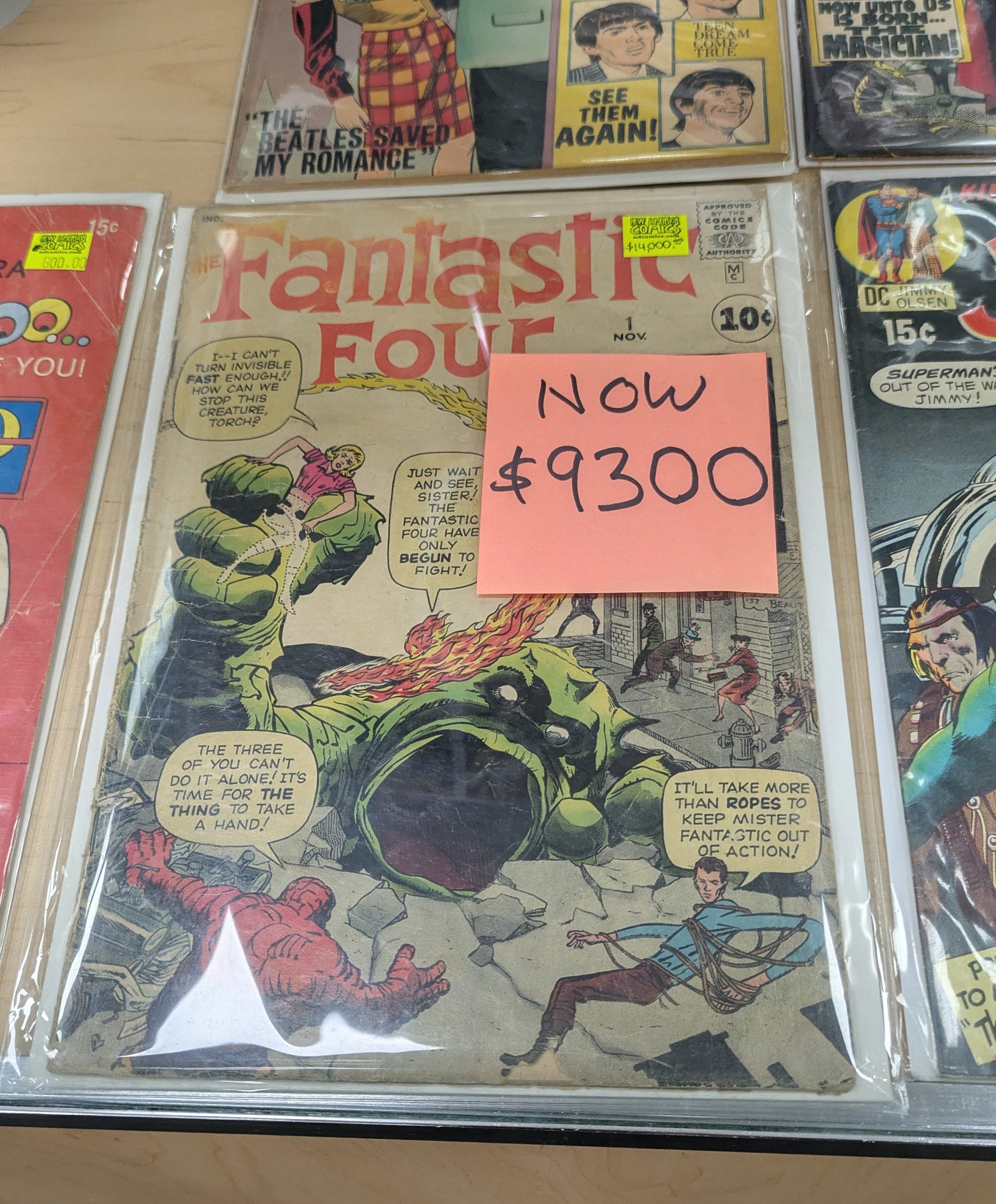
I have never seen Fantastic Four #1 with my own eyes and as I stare at it I contemplate the other Langes that have. The Mall (and its secrets) exists as a multiversal gravity well, an anchor node among the Infinite Langes, and The Lange That I Am resides near its core. Langes that reside beyond the influence of this gravity well are too vibrationally apart, too many flaps of the butterfly’s wings away from the recognition afforded by my limited astral powers. The Lange That I Am is a Mall Lange, and can now sync to brilliant flashes of alternate Mall Langes. I center on Kirby’s cover, the titular team in proto-form, not yet wearing genre-necessary iconography. The Marvel Age: another gravity well, forming a Venn Diagram with The Mall gravity well, further defining the narrowing cross-section of realities within my ability to perceive. This single image—the Fantastic Four battling Giganto—is the anchor node. Why has this relic—this flashpoint of pop psychoplasm—not gone through the ritual of comic book grading, while so many of its lesser brethren on the same shelf have? Am I offended by this or in awe of it? With my wealth of great Mall Secrets in addition to my partial access to the Mall Secrets of multitudinous Mall Langes, surely I could intuit the back-access hallways of this Mountain Mall. I could lay in wait in strange hiding places, evade the closing patrol routes of security and maintenance until after closing hours. My understanding of The Mall could guide me to within the closed comic book shop where Fantastic Four #1 lay behind only a simple glass case with an easily circumvented lock. Each step of this plot, whether in isolated pieces or in sequence, has been successfully accomplished by The Lange That I Am in years past, albeit for lesser fruits. The wealth of this boon is all that separates it from previously committed acts, and that is enough to keep the Lange that would pull off this heist inaccessible to The Lange That I Am, out of reach much like the Lange that would fuck the non-Japanese Asian bartenders at the Japanese chain restaurant. Could I extend the influence from within my hotel chamber to enshroud this entire mountain town, then surely I would be bedding two non-Japanese Asian women at once after showering them with gifts won from selling my stolen comic book treasure.
But my powers do not have this reach. Even in this isolated mountain town, on this one-off job with bosses I will never have again, I am still too attached to my own past, too cognizant of my own future. These titans of Past and Future must be slain if I am to gain greater access to the Infinite Langes.
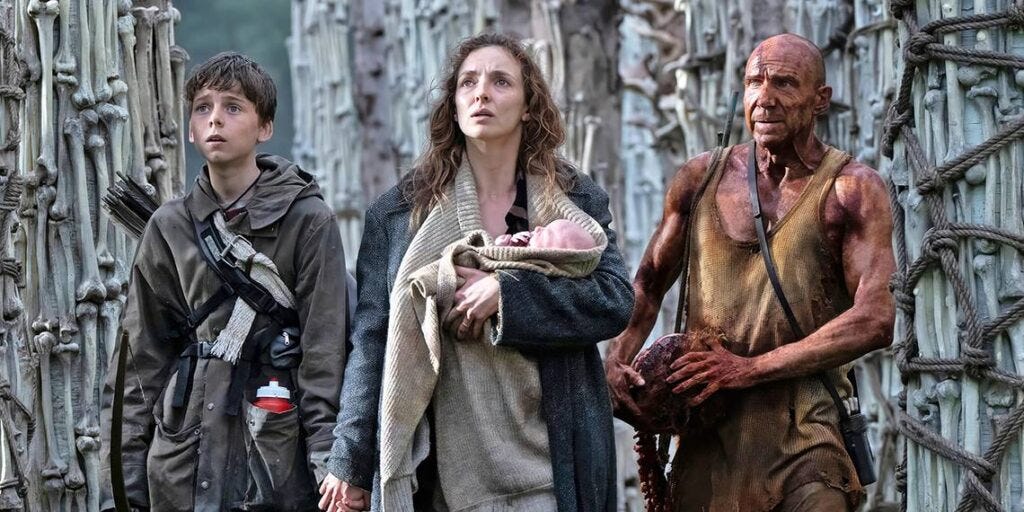
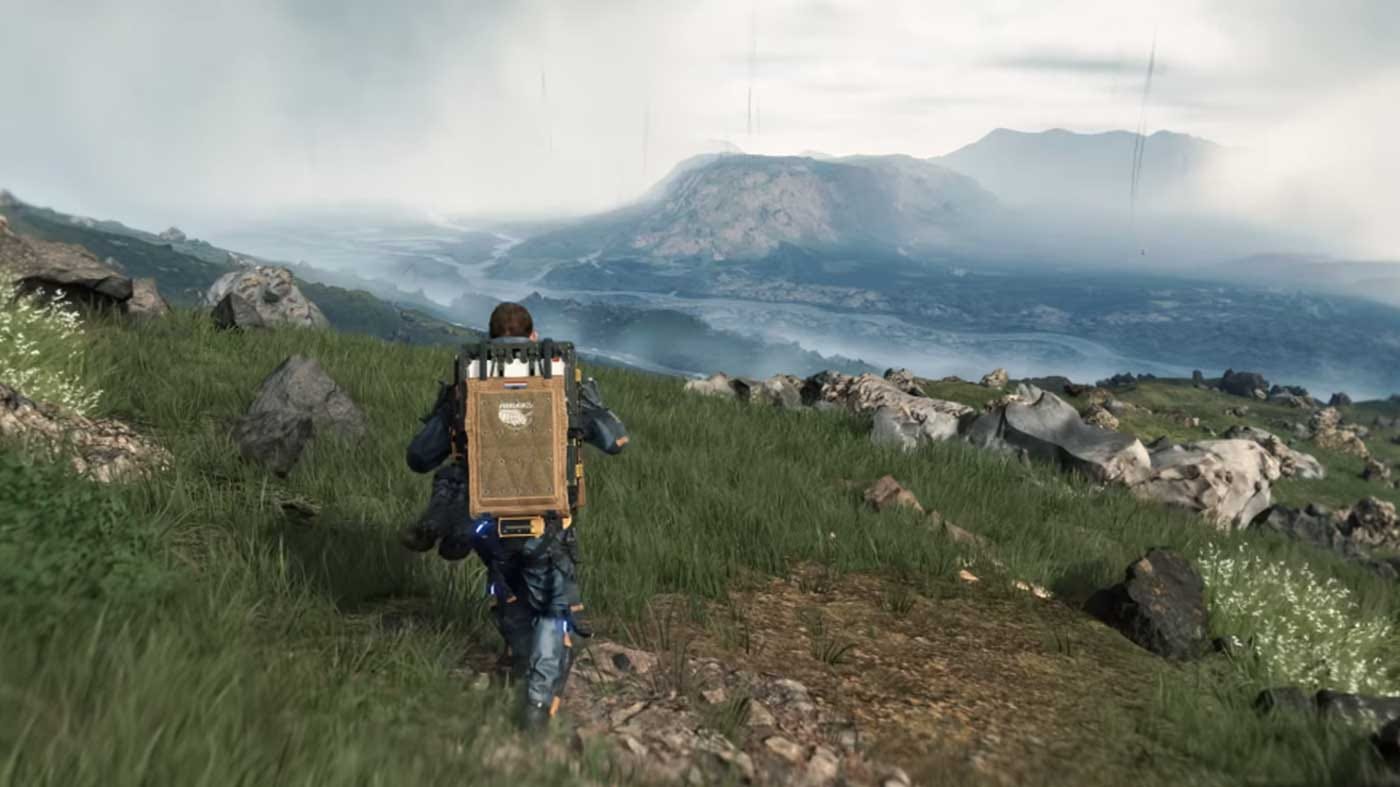
My time in West Virginia is not spent slaying titans. I am here to work for Disney again as they produce a TV show. As the job ramps up, I move away from my petri dish hotel chamber and into an AirBnB, which does not offer the same vacuum of character (this particular AirBnB has numerous Dr. Who themed decorations). I’m creeping back into routine behaviors: I go to the movie theater and see 28 Years Later, which is refreshingly unconcerned with participating in its own genre that it helped redefine twenty years ago. I play Hideo Kojima’s Death Stranding for the second time in my life and I am no closer to formulating solid thoughts or opinions on it, though its desolate stretches of introspective trekking through dreamlike wastelands seem to reflect my own innerspace.
The job is for a prison show and the props include lots of shivs, prison guard belts, and improvised tamales. It is the most excited and engaged I have been by work since the fall of 2023 and the most grounded I have been all year. The absence of such work as of late comes in two fronts: the shifts in the film industry as a whole, and my own growing fatigue with jobs that no longer challenge. Even Superman last year, a dream job for me by most standards, failed to fully engage simply because I was too accustomed to the role of set dresser and not properly challenged. This restlessness is what led to my experiments with time travel and reality hopping, but late on one hot exterior overnight shoot for the prison show I find myself hanging out on the props truck when craft services comes by with a pass-around of some ice cream bars. It is a light day for props and we are mostly just babysitting directors chairs at this point, and a lot of other departments are similarly enjoying some downtime. Standing on the lift gate and overlooking the various departments of misfits and friends on the crew, ice cream treat in hand, I have an overwhelming sense of how truly incredible my job can be.
I think I will work in movies for the rest of my life.
SUMMER
July: Kryptonite Raceway
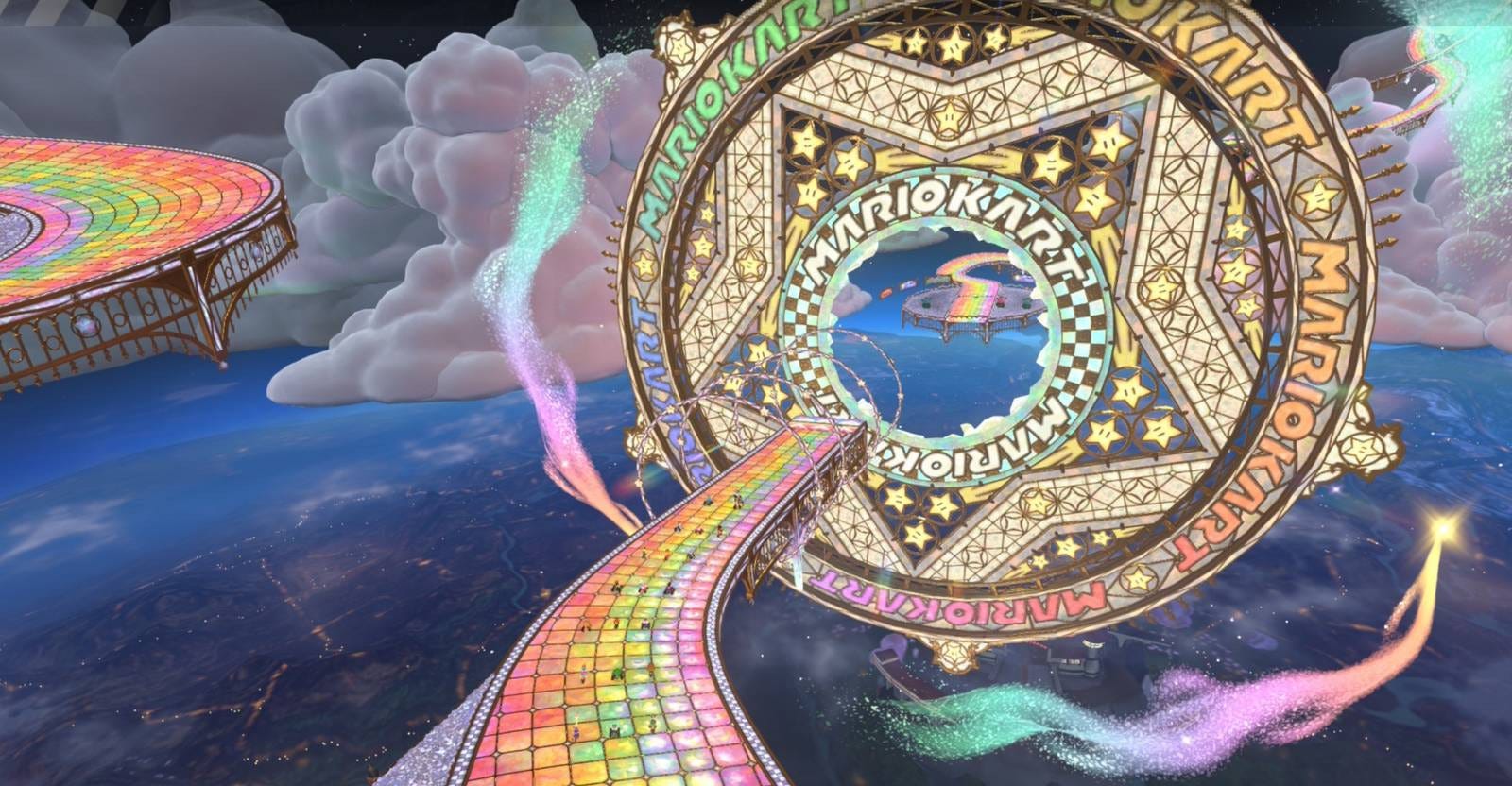
I talk my way onto the puppet movie that started production back in Cleveland while I was away. Something inside me couldn’t let this go on without my involvement. The last puppet movie I did was the best job I’ve ever worked. I have about a week off in between ending the prison show and starting the puppet movie. I see Weegar and a whole bunch of friends at a 4th of July party. He asks that someone bring him some NA beers and I run around looking for some, but another buddy beats me to it. Everyone says he looks good. No one says “you look good considering all the cancer and chemo.” We get a very nice photo together. While I was away I had my friend pick up my new Nintendo Switch 2 that I had ordered before I left. I like to think about which favors we ask of different friends. Weegar had secured me my Switch 1 back when The Legend of Zelda: Breath of the Wild released, and had similarly secured me my PlayStation 4. He called himself my “console broker.” I hadn’t been planning on getting the Switch 2 at launch, but Weegar was very excited about it, his enthusiasm contagious, so I pre-ordered at a Gamestop the day they went up, and then was gone in West Virginia when they actually arrived. So I scoop it up from my pal who kept it safe for me and crack into Mario Kart World. Rainbow Road means something. Light show visuals of Oz and Asgard scored by cinema-orchestra jubilation wrapped around white-knuckle mechanics—the serene, hallucinogenic, and adrenal each complimenting each other in layers. Flow-state transcendence. I can replay it forever, and wonder perhaps if that’s what some version of the afterlife is.
I see Superman with my dad and remember how much I enjoyed working on it. Despite knowing the whole plot already, it still surprises me, and I’m happy to see the kindness and goodness of the character on display. A year ago, in the set dec warehouse, I obsessed over the covers of Metropolis tourist books, issues of the Daily Planet, garbage cans, city crests, maps, logos for fictitious brands I’ve known my whole life: Jitters, Big Belly Burger, Soder, Chocos. The details that build realities. Downtown Cleveland street signs had their names changed to the surnames of legendary Superman writers and artists and I made sure I let each of my coworkers know who they were, from Swan to Quitely.

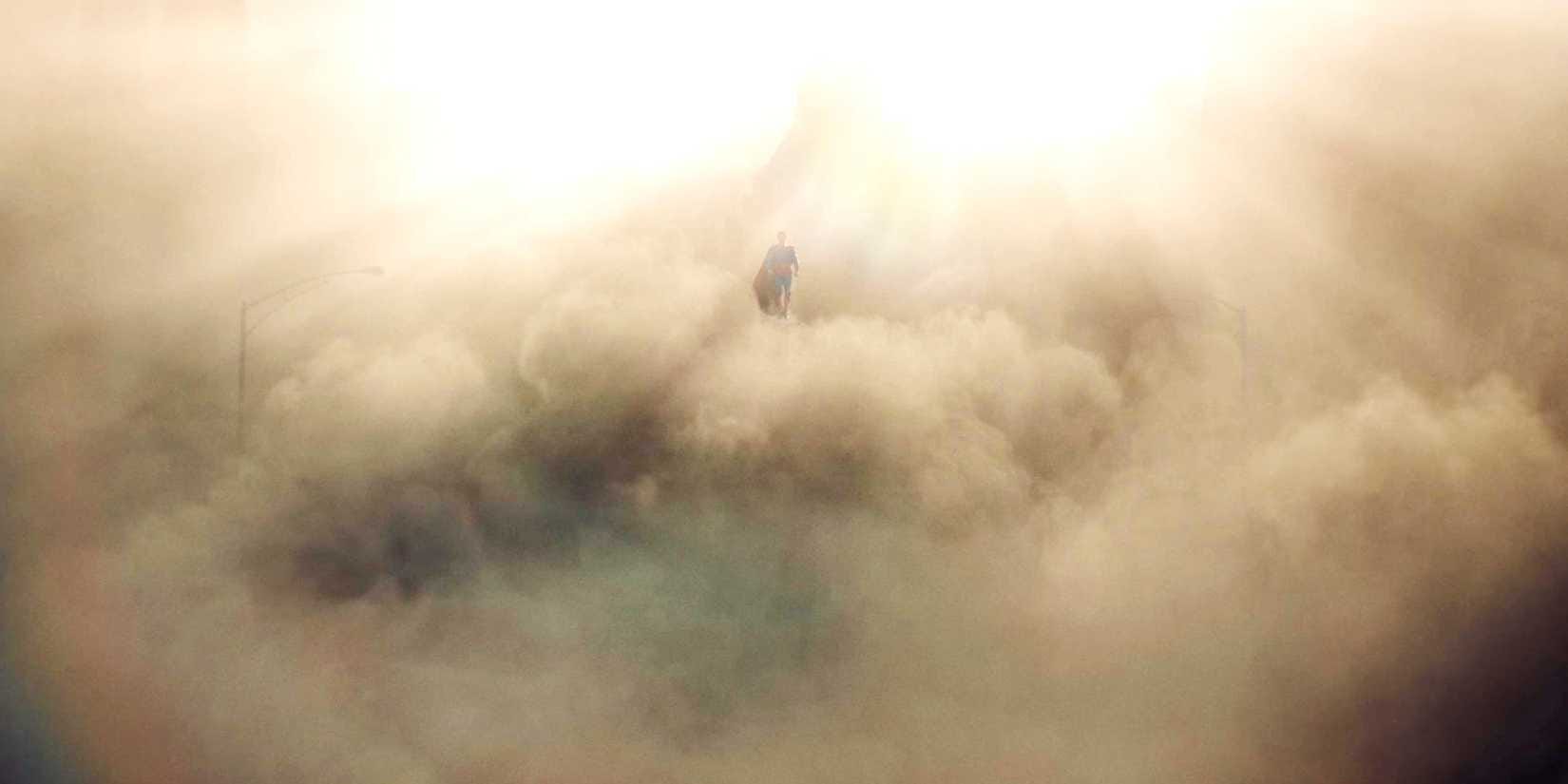
Now I get to see it all in action. CGI disaster scenes hit with a different impact when Metropolis looks just like my city. Watching Superman rise up from a cloud of debris on the Detroit-Superior bridge while the John Williams score hits. Without irony or doubt, I feel hopeful and proud. Clark Kent gets advice from his adopted father back on the Kansas farm. “Parents aren’t for telling their children who they’re supposed to be. We’re here to give you the tools to make fools of yourselves all on your own.” My dad leans over in the theater, “How’d I do, son?” When the credits roll he yells out “That’s my boy!” when he sees my name. A feel good movie, indeed.
Meanwhile, the application process for teaching jobs in Japan is more involved than any I have ever endured. Resumes and interviews—I’m more accustomed to friends calling me and asking if I can be on set in a week. In extreme cases, like with this puppet movie, I’m pestering friends on the production asking if there are any openings. Zoom calls and neckties and mock lesson plans are alien to me, but I do my best, which is more than enough. I get hired for three different teaching positions, turn down two of them and leave one hanging. Lots to think about. This will be a change. Not just the foreign country of it, but the regular hours, the routine, the professional environment. The pay. It’s a young man’s job. Straight out of college shit. In one of my interviews I was even asked why I was applying at my age. That gave me pause. This is a job that young people take to see the world, not an earnest career pivot.
But I’m not searching for an earnest career pivot. I’m not necessarily trying to see the world, either, at least not in that sense. I’m not entirely sure what I’m searching for, but it was not found in my explorations through Time or the Multiverse of Infinite Langes. But what I have recognized in those journeys is a pursuit of distance and of silence. What I once felt was my great and purposeful pursuit—to be a creator, a voice, a publicly respected purveyor of perspective and taste… An aRtiST—has since soured into a source of dread and bitterness. After all, aren’t such pursuits just charades of ego and capitalism? Pay attention to me. Pay fealty to me. Spend your money on the stupid shit that I create. And what, truly, is the real value of “Taste?” Taste with a capital T, as in that middle school punk rock fallacy that there is some hierarchy of aesthetic preference—that asserting oneself as higher within it grants a status of “better than.”
Oh, he doesn’t know who John Waters is.
Can you believe she’s never read Thoreau?
He’s not a comic, he’s an impressionist.
That guy only plays MMOs.
What does this accomplish outside of shrinking one’s circle, minimizing one’s ability to relate or connect with others? This is a trick of male egos, particularly physically unimpressive males, though women certainly aren’t beyond appropriating these lesser traits under the influence of confused, capitalist, trans-patriarchal feminism. Yet we pursue the peddling of our own taste, seek to have our voices validated by others in the form of their taxable contributions. How much more time and energy could I really spend promoting myself in an effort to get more eyes on comedy sketches where I dance around in silly outfits or blogs where I write my oh-so-important thoughts on Battletoads? The trouble, of course, is that I have very little else in my life that makes me feel as alive and capable as this stupid shit. I’m a goddamn hoot in my silly outfits and no one else has quite the same take on Battletoads, naturally. That’s me! ME! ME! ME! So, yes, pleeaassseee pay attention to my opinions, my taste—but then I’m just so goddamn tired of it and disgusted by it all. And so it is silence that I seek. Silence from the greater conversation. And what better way to achieve this than by placing myself in a country where I don’t know the language? I may be able to hear the noise, but I can’t understand it. That is how I will find my silence.
When we are born, we cry that we are come
To this great stage of fools.
And as I wrestle with this, I read King Lear because some part of me feels unqualified for never having properly read Shakespeare.
Can you believe it?
August: Still in a Dream
Andy calls from Thailand and asks me if I want to move in with him in Bangkok and help him shoot golf videos for his YouTube channel, which he assures me is a thing. Fuck it. I guess I won’t go to Japan. Thailand it is. So much for never going back. So much for the Japanese lessons. So much for the teaching certificate. But no neckties, no oppressive work culture, no routine, no schedule. And a chance to edit video again, which I haven’t done in years. This feels better. This feels weird. Zero Issues. I’ll go in October.
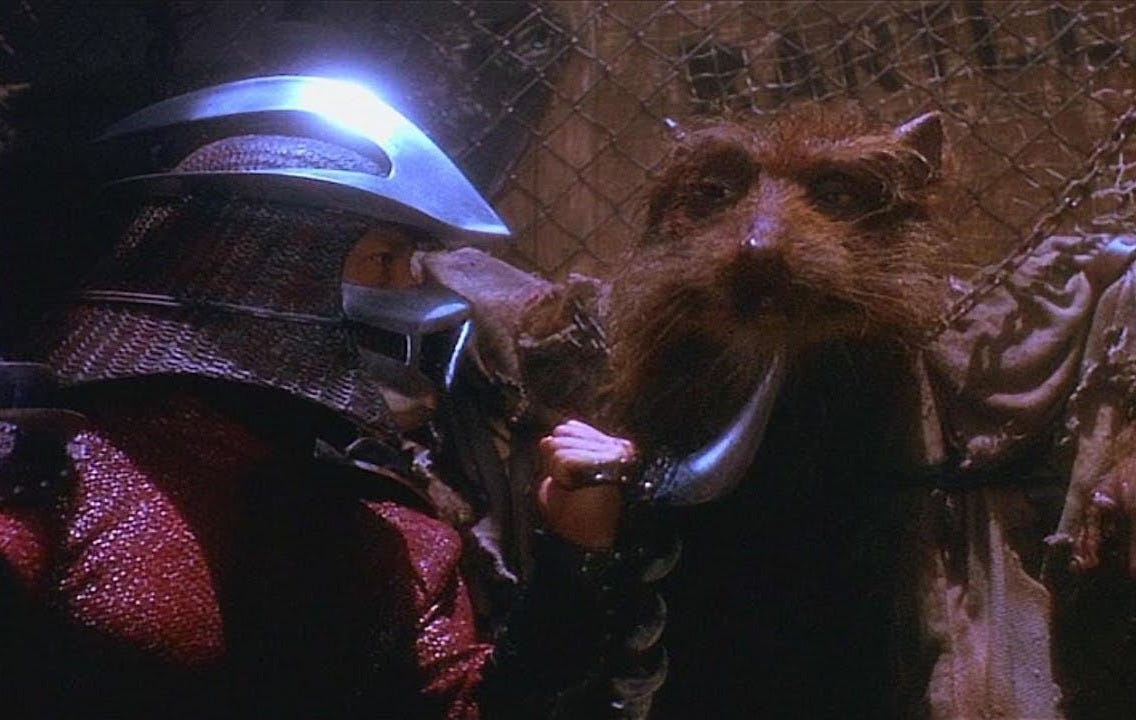
The puppet movie finishes and I go see Teenage Mutant Ninja Turtles in a theater for its 35th anniversary. A great puppet film, this is the first time I have seen it on the big screen, though I wore through the VHS copy I had as a child and have seen it countless other times since. I had referenced it heavily in our sketch movie, Public Axis 3000. I sent stills of it to our DP for color grade reference, woke up every morning of our shoot days listening to John Du Prez’s Shredder Suite. But I pulled from it in subconscious ways, too, that I don’t realize until now. The way Splinter is chained up in the Foot Clan hideout… I ripped that exactly, though I thought I was pulling from Metal Gear Solid V: Ground Zeroes. When I replayed that and saw how Paz was chained up, I though that’s not exactly what I was going for. Now I know. It was Splinter. That’s what I was going for. My influences reveal themselves years later, working undercover my entire life. This movie fucking rules.
Ghosts, by Paul Auster, is part of his New York Trilogy, which is said to have been a heavy influence of Hideo Kojima’s for Metal Gear Solid 2. Years ago I read City of Glass, but now I am reading the second in the trilogy at a bar near the drive-in theater before seeing E.T. the Extra-Terrestrial as part of their retro Tuesdays (one of my favorite local offerings). It reveals Escher-esque layers of perspective as it goes on, making me, the reader, complicit. I see how these stories shaped MGS2, a game which very much shaped me. What/who do I shape?
He lies down on his bed and thinks: goodbye, Mr White. You were never really there, were you? There never was such a man as White. And then poor Black. Poor soul. Poor blighted no one. And then, as his eyes grow heavy and sleep begins to wash over him, he thinks how strange it is that everything has its own colour.
And now it is time for Metal Gear Solid Δ: Snake Eater, the anticipated/dreaded remake to what is quite possibly the greatest game ever made. I questioned if I even wanted to play it. But here I am. And I will say, I love it, because it is, after all, a remake of quite possibly the greatest game ever made, and it does so incredibly faithfully. There are differences—camera angles, control scheme, color grade. But still it retains all of its voice acting, cutscene choreography/cinematography… even its segmented areas and interstitial “load screens” which are no longer required on a console as powerful as the PlayStation 5. Furthermore, the game is replete with options to undo many of its modernizations: “Legacy settings.” Legacy Filter, Legacy Controls, Legacy Camera. On my second run through the game I play with each of these Legacy settings active and this is assuredly the preferred way to play. Does that mean the truly preferred way to play is on a PlayStation 2, with the original game? Probably. But I do love Metal Gear so, and any excuse to revisit it is a welcome one.
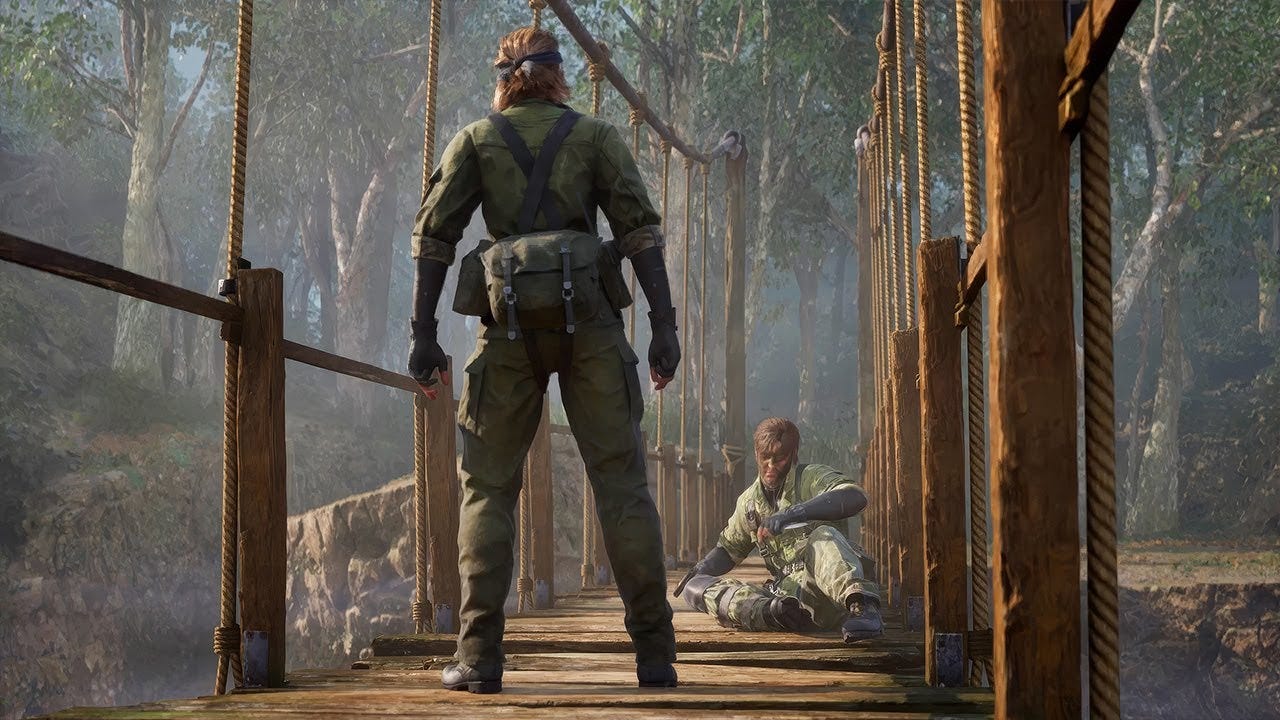
Unwittingly, I’m put back in my time machine, and I am in my dad’s basement beating Metal Gear Solid 3: Snake Eater for the first time. I am 16, and my intellectual and emotional capacities are growing. I am finalizing my foundation of worldview and taste. I will never be able to leave this part of me behind, and I will never be able to completely feel this way again, as the first time I finished the game and wept to Star Sailor’s Way to Fall as the credits rolled, thinking I might actually leave my body from the sheer weight of all I was feeling. I know playing this remake cannot make me feel that way again, but it does remind me. It keeps me tethered to a moment that shaped me in ways that cannot be undone, an anchor node among the Infinite Langes that tethers The Lange That I Am. I cannot understand or perceive the Langes that do not share this anchor node, this gravity well of influence. They are unknowable to me among the Infinite Langes. Surely, this is how I have wanted to shape people, too. This is what I wanted to give to others back when I was drawing outlines of imaginary video games in my apartment of pizza, games, and laughs back at 19. I wanted to be the auteur, the purveyor of perspective and taste that shaped and inspired. The creator of crucial anchor nodes within the infinities of other lives. And instead the closest I have come is having my name in the credits of a Superman movie after I blew out my back lugging park benches around “Metropolis.”
And now I guess I’ll go make golf videos for a YouTube channel.
September: Farewell Tour
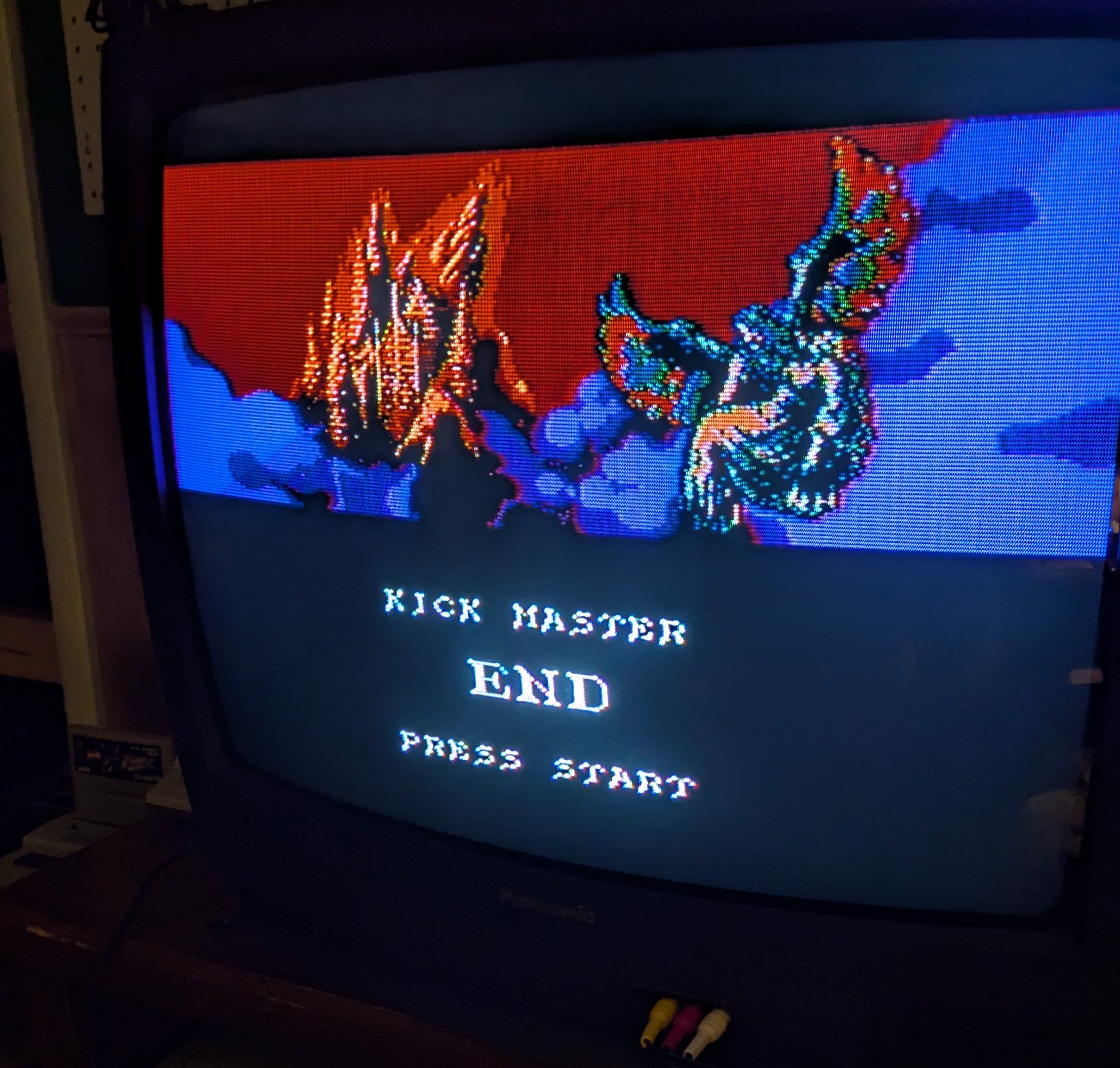
I throw a party. Birthday party for my friends, the brothers with whom I beat the Ninja Gaiden trilogy earlier in the year for my birthday. This time we tackle a new NES game, Kick Master, the night before the party, which will also serve as my going-away to Thailand. It’s another one of those perfect invisible NES games that we have become so good at finding. Imaginative, concise, challenging, and just wild enough to stand outside of universally homogenized notions of design. We push it into the wee hours and then have to get up to prepare for the party. But first we have to reach that 8-bit end screen, pixel-crystallized perfection.
Good turn out. My social circle can largely be divided into three camps: family, the old gang (Legacy Setting friends), and work (film/New Style) friends. In the past I’ve been cautious in how I’ve mixed these circles, but here I just throw them all together and it works. A benefit of age. This wouldn’t have worked in my twenties.
The Snake Eater remake has me going and I play through it a couple more times and I can’t stop from there, so I go onto Metal Gear Solid and Metal Gear Solid 2: Sons of Liberty. It’s been a long time since I’ve played them like this, but not as long as it’s been since I played Metal Gear Solid 4: Guns of the Patriots, a game that has been satisfyingly locked on the PlayStation 3 since it came out in 2008. Maybe I’ll get to it before I leave for Thailand.
For now, I’m taking one last job, which is fittingly a Cleveland tourism video that serves as something of a farewell tour of my hometown: the Rock Hall, the market, the pinball parlor, Lake Erie. I bring my buddy on as my assistant and it’s all very little work while we jump around locations and crack jokes. The higher-ups on this Cleveland tourism job are not from Cleveland—frustrating, but to be expected. Clevelanders think so low of themselves and are enamored with the perceived prestige of being from literally anywhere else. These fuckers are from Kansas City—WOW! But this is at the heart of the Cleveland conundrum. While there is an over-abundance of Cleveland pride of the graphic t-shirt variety, it exists under the pretense that Cleveland is an island. Once the outside world comes into the picture, this pride caves into a blubbering mess. Once a comic “kills it” twice at an open mic, she’s off to Chicago. Once a PA works one feature, he’s off to Atlanta. And when someone does succeed in Cleveland? “Local artist,” “local chef.” Our abused self-esteem cannot see anyone who is still in Cleveland as a success—they must leave to become something, and we must invite outsiders in to grant us validation. The only way to be a success from Cleveland is to shed yourself of Cleveland.
I don’t think this is why I’m leaving. Frustrating though it may be, I don’t really give a shit. Success isn’t what I’m chasing in Thailand, if anything it’s obscurity. That pursuit of silence. But a solid reminder of Cleveland’s limited scope does grant confidence in my decision.
It’s Weegar’s birthday. I take a break from returning purchases from the Cleveland tourism spot to swing by and see him. A good gathering of friends, beautiful weather, and Weegar is feeling good, which is increasingly rare these days. Friends made him cakes, the kind of offering I am not inclined to ever make, but here I wonder if I could be doing more. I did buy him some gifts before I left for Thailand last year, shortly after his diagnosis. Some Green Arrow comics and a book about philosophy as it pertains to the Green Lantern mythos. Our mutual obsession with Green Lantern is one of many pillars of fandom that supports our friendship. We’ve called ourselves “The Brave and the Bold.” The Green Lantern makes his power ring work through sheer force of will. Weegar’s willpower rivals Hal Jordan’s, and I know he’ll need every ounce of it in this fight. He’s trying everything just to stay alive: Western, Eastern, out-of-this-world—whatever it takes. I do adjust my rotten, stubborn practices somewhat, though: when we sing Happy Birthday (a ritual I usually cannot stomach) I participate with unironic gusto. I’m going away for a few months. It does not escape me that this could be the last time that I see him. We laugh a lot and talk about much of the usual bullshit. It’s a good hang, one of the best we’ve had this year.
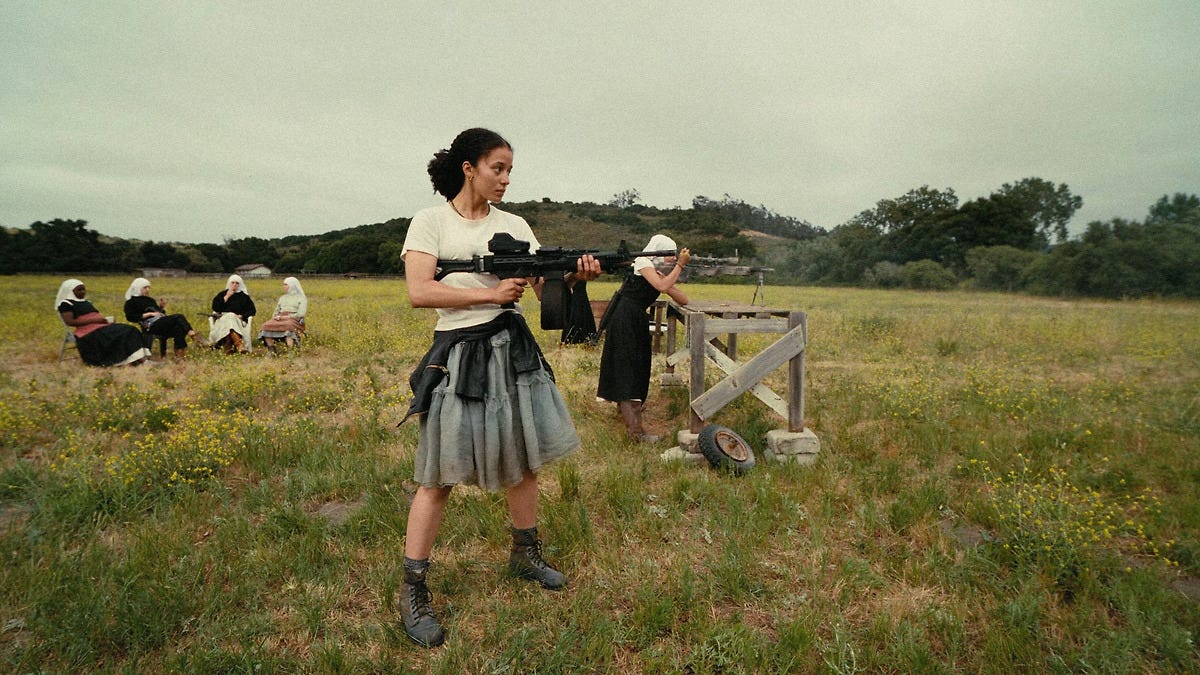
I go back to the mall to see One Battle After Another. I don’t bother with seeing the cute Chinese girl at the Asian snack store—my Pocari Sweats and Boss Coffees are going to come much cheaper soon enough. Paul Thomas Anderson (son of a “Cleveland Success,” but aggressively Californian himself) delivers a strange and captivating film here, which starts off at a brisk and terrifying clip, preying on American fears of authoritarian takeover and underscoring the costs that come with being a revolutionary. For a moment, it makes promises that this might be what the movie is about. It’s not. Once the dust from its breakneck prelude settles, One Battle After Another reveals itself to be a stoner odyssey, much more in tune with PTA’s stylings. It has more than its share of thriller aspects, and with the intensity of its intro still in our minds, it makes for an interesting mixture with the film’s comedic elements. The neurotic, freestyle musical score throughout does its part to drive this schizophrenia. It’s good. It has one of the best car chases I have seen in years, told not in stunts, but in stunning Hitchcockian camerawork. But it blows it in the end by going on aimlessly and for far too long after its climax. Take a page from the ‘70s filmmakers and close the film the instant after the conflict is overcome. Our hero’s daughter runs into his arms and yells “Daddy!” after only calling him by his first name the whole movie. Roll credits. Perfect. Instead, we get a distended epilogue focused on delivering the same pie-in-the-face comeuppance to the villain that was already delivered much more succinctly earlier on and now offers nothing new except padded run time.
At another mall, after doing some last-minute shopping for my trip, I finish reading Nauseau by Jean-Paul Sartre. The protagonist, Antoine Roquentin, can no longer make much sense of what it is to exist. All experience is losing meaning to him. But there is Anny, who once meant so much to him, and tortures him. She reminds me of a woman I once knew. After a long absence, they reunite, but it does not go as Antoine had hoped. His time machine doesn’t work for him like he had intended. In the end, Antoine feels something listening to his favorite song in a hotel before he leaves and he thinks about what it must be like to be thought of by a stranger listening to your work, and he contemplates how he might leave something similar behind.
This is what I thought: for the most banal even to become an adventure, you must (and this is enough) begin to recount it. This is what fools people: a man is always a teller of tales, he sees everything that happens to him through them; and he tries to live his own life as if he were telling a story.
But you have to choose: live or tell.
I think what Antoine felt listening to that song is what I felt when I beat Metal Gear Solid 3. I have made up my mind. I will find the time for Metal Gear Solid 4.
FALL
October: Protagonist Totems
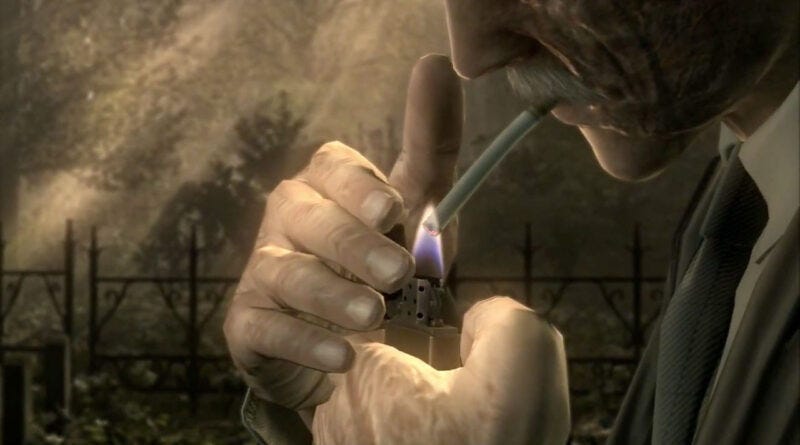
June 11th, 2008. Gamestop—the same one where I will reserve my Nintendo Switch 2 seventeen years later. I am about to make the biggest purchase of my entire life and embark on the final chapter of a saga that began in the Best Buy next door to this Gamestop some ten years ago when I, just a small boy, wandered over to the PlayStation demo kiosk and first discovered Metal Gear Solid. Today, god willing, I will buy a PlayStation 3 and Metal Gear Solid 4: Guns of the Patriots, the final installment of the most crucial video game series of my teenage years, utterly foundational in the formation of my budding adult mind. But there’s a problem. The PS3 is in frighteningly short supply. New ones are being sent out bundled with MGS4, but no one knows how many. I’ve called this Gamestop repeatedly leading up to this day, and they’ve said they don’t know how many they will receive, so they can’t take preorders. All I can do is show up the day before street date and claim a spot in line. I’m there bright and early, a steel blue bandanna wrapped around my brow, a pack of cigarettes waiting in my pocket, and a freshly trimmed mustache—totems of series protagonist Solid Snake, though the mustache is new for this game’s older Snake. A country-scraggly customer, maybe five years older than me, paces the floor. I approach the clerk at the counter of the otherwise empty store.
“How many Metal Gear Solid 4 PS3 bundles did you get?” I ask, heart in my throat.
“Two,” the clerk states, and my heart sinks all the way down. “But you’re second in line,” he adds with a smile. A wash of relief. I made it. Now all I have to do is wait out the day here and spend $700 come midnight.
“Hey,” country-scraggly says from behind me. I turn to see him, his arm reached out for a handshake. “I’m Number One. Nice to meet you.”
We spend the day together. His name’s John. Plain name, but I won’t forget it. We went to the same high school, though he graduated before me. John doesn’t play too many video games anymore, but he’s got a very special place still for Metal Gear, and as such, we are immediately bonded as brothers by default, even though I will never seem him again.
I take a little walk outside along the strip mall, in front of the Best Buy where I first controlled the avatar of Solid Snake, oblivious then to the path being set in motion—the countless doors being shut on all the alternate Langes that won’t discover Metal Gear, branching into completely obscure and unrelatable realities, realities in which The Lange That I Am couldn’t possibly even recognize myself, would never want to. Too many flaps of the butterfly’s wings away, so far out of reach as to not even be worth contemplation. The Lange That I Am is a Metal Gear Lange, affixed to the influences of that anchor node. But these are not the thoughts that occupy me as I take my stroll. I’m only thinking about what this game could be, how this final story might unfold. I’ve been thinking about it for years.
“Freeze!” A gravelly Solid Snake voice surprises me from behind, my hands raising instinctively. I turn. It’s Weegar—bandanna wrapped across his brow, freshly trimmed mustache, cigarettes surely in his pocket. He’s gone a step further: he’s sprayed his mustache a crusty white, looking like a frosted mini wheat taped to his upper lip. I’ve never seen him with any mustache before, and the sight has me laughing in his face. We didn’t plan any of this. He already has a PS3, so he just needs to grab a copy of the game. He joins me and John and we wait out the rest of the day. Come midnight, we get what we came for and part ways, wishing each other well. It’s a goodbye to John, but Weegar and I will talk endlessly about this game in the days to come.
2025.
MGS4 is an act of wrapping things up, dealing with years of continuity and dangling threads and pulling them into a singular finale. It’s been years since I’ve played it, but the return does not disappoint. I finish it in the wee hours of the night when all Hideo Kojima games are destined to be finished, the night before my flight to Thailand. As the credits roll, I feel ready to leave this place for a while. There’s nothing else to say for now.
Another fantastic deluge of airplane films. The standout of this batch: Sharp Corner, starring Ben Foster. I struggle to summarize this thriller without laughing, but Ben Foster and Cobie Smulders buy a new house situated right on the bend off a… sharp corner! And car accidents keep happening in their front yard. It’s awesome. Airplane gold.
Late at night a taxi drops me off outside of Andy’s house in Bangkok and I can’t really find it and my e-sim isn’t connecting properly. I hop on the wifi at what is sure to be my regular 7/11 and get ahold of Andy and find my way in.
I hate golf, but not as much as I hate golf culture. However, in Thailand it’s definitely different. People still dress like pricks, but the energy at the clubs is much more laid back, even rowdy in the evenings (I learn that night golf isn’t all that common in the world, and that Thailand is the home of it). Caddies are mandatory at courses here, and they’re overwhelmingly young women, though there are a few veteran aunties hanging around, too. Their duties extend beyond fetching clubs, driving carts, and reading the greens: in a very southeast Asian kinda way, they are also entertaining companions for the 18 holes. I quickly learn this includes being drinking buddies. The job is a lot of sun, women, and beer. With that, I’m certain I can stomach the golf. The other half of the job is editing what I shoot on the course, and I quickly fall back into video editing and realize that I’ve been missing it the past few years since ceasing with sketch comedy production. This is gonna be all right.
Andy leaves the country for a little bit and I have the house to myself with his retarded cat. I waste no time setting up my Switch 2 and playing Castlevania games on his massive TV—it is October, after all. I replay Aria of Sorrow, which at one point I said was my favorite Castlevania game, though I wouldn’t say that today. Then I finally get around to playing its direct sequel Dawn of Sorrow, which I never got around to because it was on the Nintendo DS, a handheld I never had, but this Switch port works around that. That was my goal for October, but of course I can’t stop there and I end up playing Castlevania: Dracula X, the much maligned Super Nintendo port of the much celebrated Castlevania: Rondo of Blood, and I gotta say, I fucking love Dracula X and part of me even wants to say I like it more than Rondo of Blood. It was certainly the highlight of the three I played this month, and when Andy came back and saw me playing it it was a treat to watch a lapsed gamer’s eyes light up. He sat and watched me struggle my way through the brutal fight with Dracula.
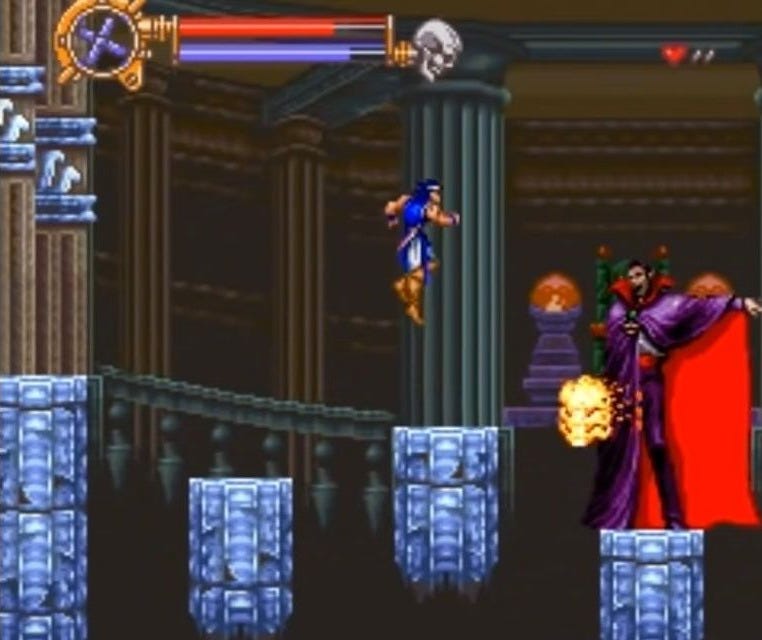
“I’ve been in the streaming world for years, right? And I’ve never got the whole watching people stream video games thing,” he says, “but I can sit all day and watch someone play in person like this.”
Much of my compulsion to live in another country stems from exploring what the non-vacation day-to-day might feel like, to get away from the need to cram as much sight-seeing into a day as possible and just sit back and drink in being a stranger. This is a different Thailand than my previous trip. No ping-pong shows, no drunken boxing matches. Grabbing a bottle of red wine from 7/11 and playing Castlevania while it storms outside makes it everything I hoped it could be.
Also in my day-to-day, making instant coffee in the morning with the hot water kettle and sitting outside with a book. This month it’s Wuthering Heights by Emily Brontë. The book’s reputation seems confused in modern times, perhaps due to a parade of film adaptations that ignore the story’s second half. A love story? Hardly. These are petty, awful people needlessly condemning themselves and those around them to abject misery. There’s a bit of salacious scandal with Cathy’s adulterous feelings for Heathcliff after she marries for all the wrong reasons, but then the book jumps at the halfway point to the next generation of Lintons and Earnshaws and the core “romance” is no longer present. It’s rich with themes of class and morality, but it’s not the crazed, horny affair Kate Bush had me thinking it would be.
I care nothing for your sufferings. Why shouldn’t you suffer? I do! Will you forget me? Will you be happy when I am in the earth? Will you say twenty years hence, ‘That’s the grave of Catherine Earnshaw? I loved her long ago, and was wretched to lose her; but it is past. I’ve loved many others since: my children are dearer to me than she was; and, at death, I shall not rejoice that I am going to her: I shall be sorry that I must leave them!’ Will you say so, Heathcliff?
Time for a movie. There are no showings of Tron: Ares that line up with my schedule, but I am surprised to see that they are showing Shelby Oaks at a mall theater near me (most theaters I’m finding in Bangkok are situated in the many suburb-sized air conditioned malls peppered throughout the concrete jungle of Sukhumvit, and seeing as I am a Mall Lange, I take to them readily and relish in their evolved forms here). Shelby Oaks, a small horror film I worked reshoots for earlier in the year, a Cleveland-loyal production. I didn’t expect it to get this wide of a release, so I hop on a motorbike to Seacon Square during a small window between storms (it’s rainy season here). The ticket is cheap, so I opt for popcorn (sweet, they offer varieties here), and that’s also cheap. Then the innocent clerk I bought the ticket from taps me on the shoulder, having followed me up the escalators from the box office.
“Sorry, sir,” she manages with what English she knows. “No subtitles.”
Dubbed in Thai? No subtitles? I had expected it to be in English, subtitled in Thai. I laugh. Whatever. I’d already seen most of the rough cut back when I got brought on for the reshoots. There were a couple sets from principal photography that we needed to recreate glimpses of, so it helped to have the context. Seeing it in Thai would be an interesting exercise. The movie is comprised largely of three elements that I have no taste for in movies and I will break them down as follows:
1.) Found footage. We’re not teenagers in the ‘90s seeing The Blair Witch Project for the first time anymore. We know it’s not real. The creepy-spooky factor of the found footage aesthetic barely works anymore. It can, in brief bursts, be effective, like the news footage of the alien in Signs, but as an entire genre, it overstays its welcome and seems instead to be an excuse for poor cinematography.
2.) Research scenes. Research is not cinematic. Especially on computer screens, especially laptops, especially when the research is Google searches. Microfiche is more cinematic, red string murder boards, documents spread out across the floor of a rain-spattered loft, but still, the actual discovery really has to hook an audience. It can be done. A David Fincher moodiness can help sell it, or else clever-but-childish ah-ha! moments like puzzle book solutions that Spielberg sells so well. But these are masters of the craft. Do your research before you do a research scene.
3.) Miserable Woman tropes. There’s a category of well-meaning writers who really want to “write a strong female character.” Or more than that, they really want to be a writer who wrote a strong female character. It’s not an ignoble goal, but more often than not it is a rather empty one. What tends to happen is these writers write one of two types of characters: the infallible hardass who is simultaneously sexy yet sexless, or… the Miserable Woman. The Miserable Woman’s strength is in her endurance, but these writers love to hold a microscope up to all her pains and struggles. If she’s an action heroine, throw her through the wringer of agony porn! Shot with an arrow? Our Miserable Heroine will snap the shaft and push the arrowhead through the other side, and we’ll push in on her screams, covered in dirt and grime. If it’s a drama, you can bet she’s got a lot of trauma and abuse in her past, and in either case you can bet there’s a male figure in her life who doubts or gaslights her or is otherwise bluntly unsupportive of whatever she’s going through. She’s on her own with her suffering, and we’re going to have to watch her suffer, and the louder her cries, the more we’re expected not to notice that there actually isn’t much character here at all, just misery. I’m not against tropes and stock characters, but they’re harder to deal with in protagonists, and this one in particular is just so spectacularly unfun. There are people out there, though, that love to watch these characters writhe and suffer emotionally and physically, it just ain’t my cup of tea.
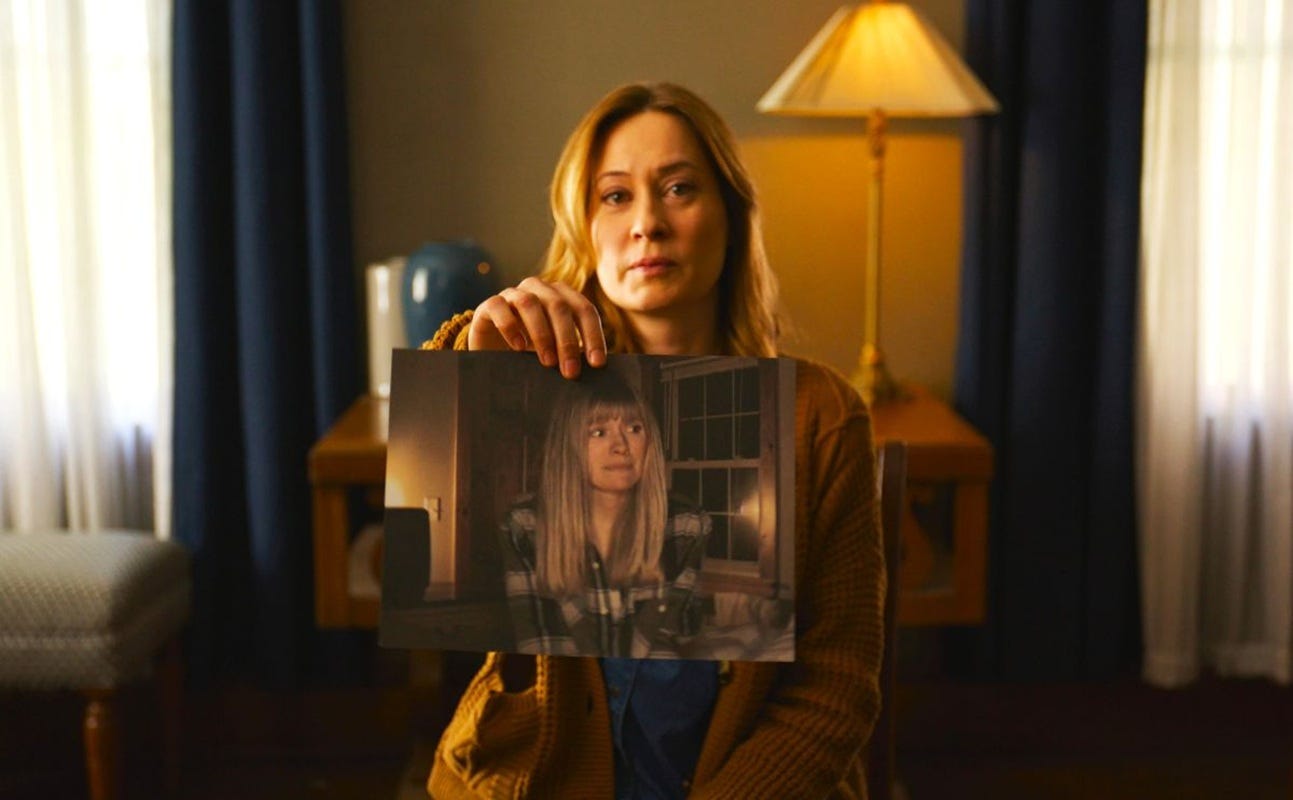
So, seeing that Shelby Oaks is largely comprised of these three components that I have very exhausted biases against, I can’t say that I’m in any position to fairly evaluate the film. Many people like these things and would probably love to see them together in one movie. I did enjoy seeing some familiar Cleveland faces on camera, along with some of our most notorious shooting locations (this is the third film I’ve worked on that shot at Mansfield Reformatory [of Shawshank Redemption fame] and yet I still have not been there myself), and reading so many friends’ names in the credits in a Thai theater was a hoot.
There is a spattering of Thai couples, some older, in the theater, and I’m learning that horror films are very popular here, particularly ghost movies.
November: Far, far away
Video editing is strange, obsessive work. Though I have spent countless hours editing over the years for my sketch comedy projects, this recent endeavor with Andy marks only the second time in my life I have actually gotten paid for editing. We’re chasing that elusive algorithmic dragon of viral success, something I have long found inherently repulsive, but my role as hired gun makes it immediately more palatable. This is Andy’s fight, not mine, I’m just here to support, and that disconnect of ego allows me to focus on the work. Frame by frame. The rhythm. Trim/cut/splice. Run it back. Watch it again. Again. Move that audio cue. Not there. There. Try it again. Andy tapped me for this job for my comedic stylings and my utter lack of interest in golf. He wants the outsider perspective. Caffeinated. New monitor from a Bangkok megamall. Clicky Clacky mechanical keyboard. Zoomed in until low-res pixelation.
It drains the brain. I need resets, palette cleansers, without losing the rhythm. Toggle windows. Open Steam. Play Hotline Miami. Electropulse neon violence. Quick resets. DOOM meets Super Meat Boy under a grimy layer of motel sleaze. Short bursts, micro levels. Trance. Kill, kill, kill. Click-clack keyboard. Mission complete. Toggle windows. Open Premiere. Edit. Add graphics. Trim/cut/splice. Render. Toggle windows. Kick open door. Bash head. Grab shotgun. Blast goons. Shells spent. Throw shotgun. Bash head. Mission Complete. Render complete. Edit, kill, edit, kill. Jungle heat just outside my window.
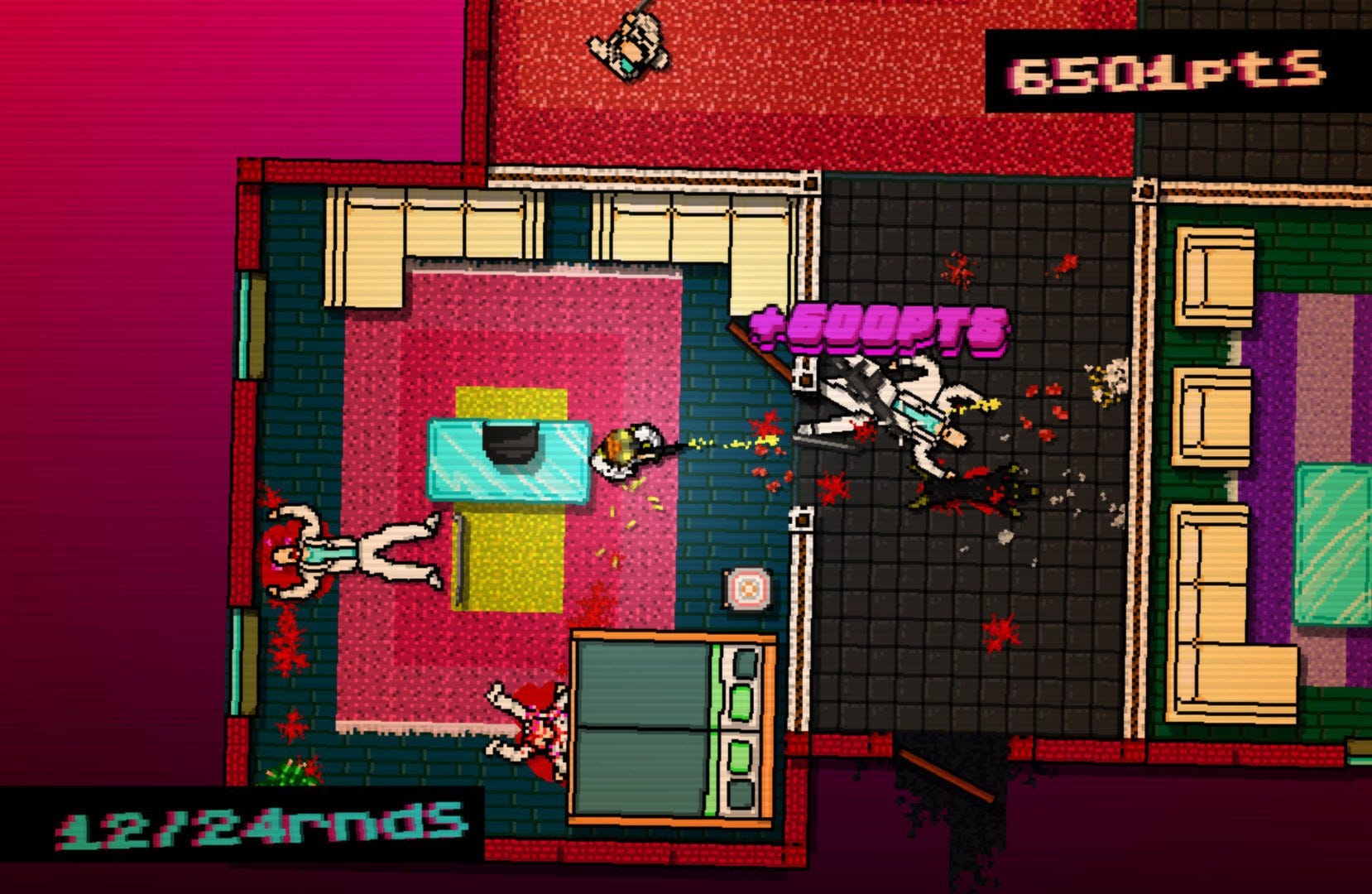
Ultimately, Hotline Miami turns a mirror on the sickening pixelated hyper violence. It’s a deftly executed manipulation, a strange fugue-like mood of a game. The reflection warrants pause. Take a sweaty walk to 7/11 and get a Pocari. Rinse in the shower after. Rinse and repeat. I’ve found my rhythm.
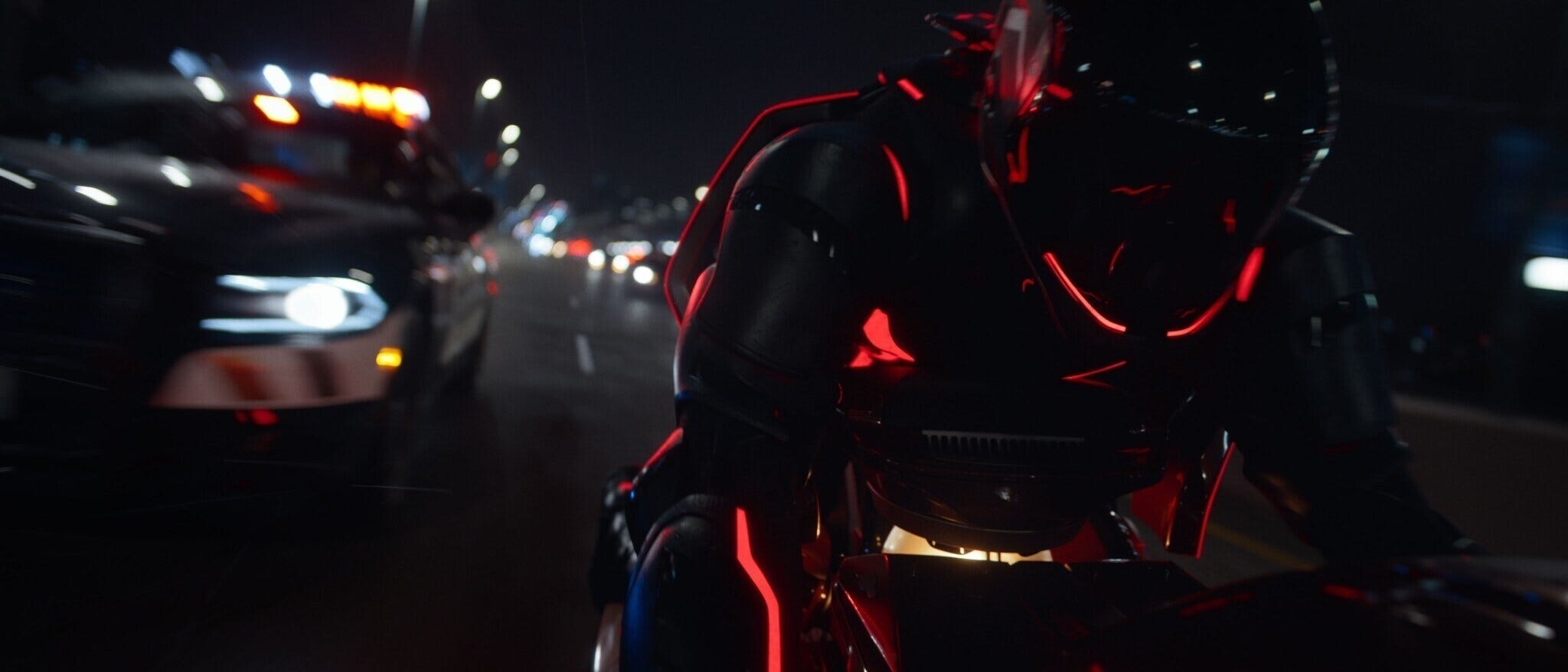
A new megamall: CentralWorld. Andy and I finally see Tron: Ares with a Thai friend, the Elaine in our Seinfeld cast (I suppose I’m Kramer). Nine Inch Nails and neon light cycles on city streets, this music is perfectly suited to my new Bangkok rhythm. The plot is serviceable, the concepts questionable, and the characters forgettable. With these elements as thin as they are, the movie is free to be an audio/visual indulgence, a big-budget Windows Media Player visualizer for the new Nine Inch Nails album, and I wouldn’t have it any other way. I don’t have the bandwidth to focus on this musical score on top of rich themes and character development. The board is clear of such chaff. Andy and Elaine agree, though apparently the rest of the world thinks this movie is a stinker. Fine by me. Tron can come back in another twenty years with another unbelievable musical act delivering an incredible score and it can fail at the box office again and go dormant for another decade or so. This is the destiny of Tron films.
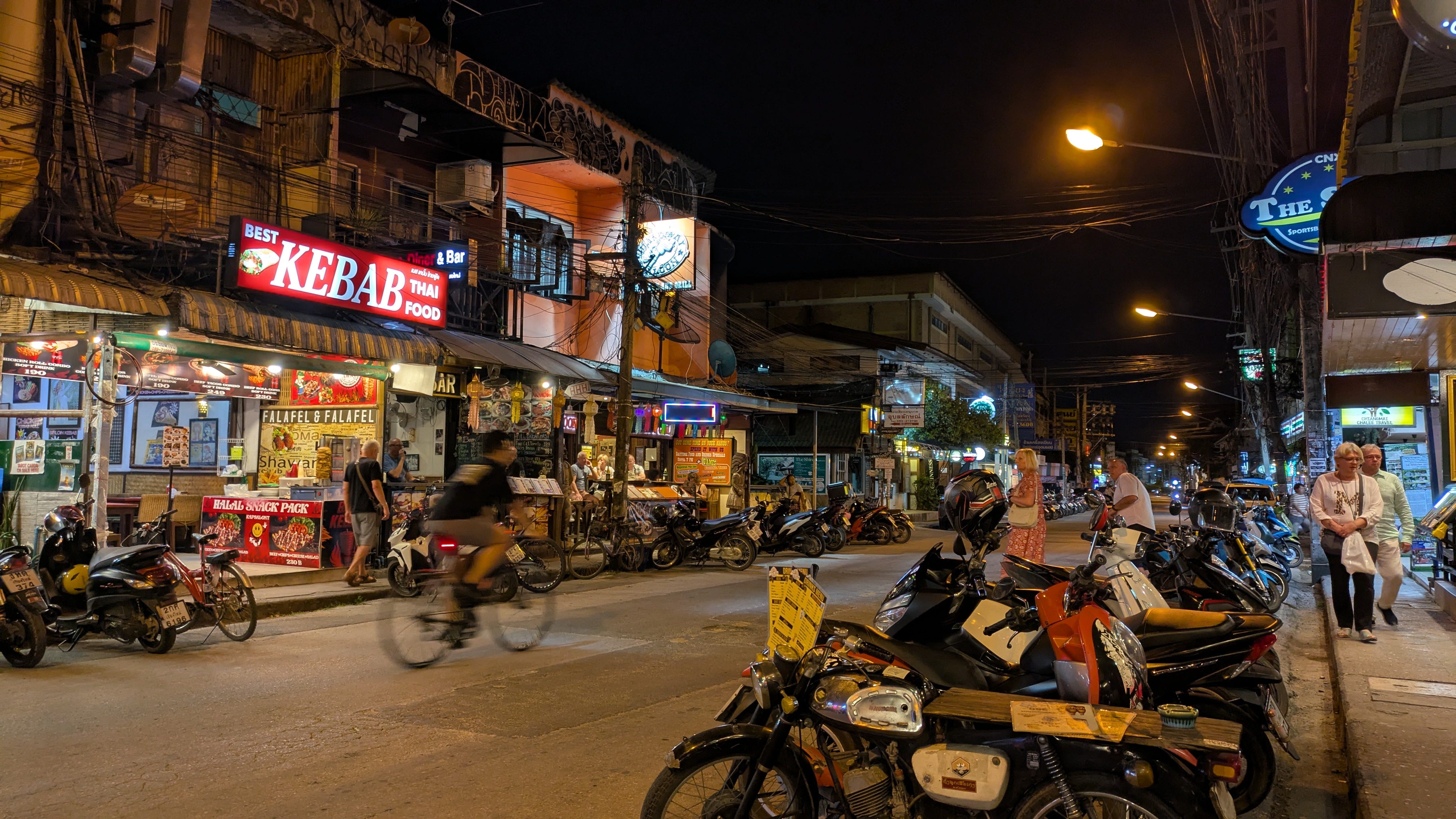
I need a break from Bangkok and I need to reset my tourist visa, so I go to Chiang Mai with the plan to jump to Luang Prabang in Laos after. Chiang Mai is north in Thailand, in the mountains, and it’s much more laid back than Bangkok, the ex-pats considerably crunchier. I did zero research before going to Laos and I’m quickly baffled by the currency and have no getting-around phrases in Lao. Luang Prabang is a cool little river city, and the weather is a bit cooler, with a pervasive smell of campfire from all the outdoor cooking the locals do. I relish wearing the Beer Lao hoodie I had to purchase and drinking a coffee outside my hotel in the mornings, a pleasant break from the oppressive heat of Bangkok. Across this trip I devour Timothy Zahn’s Thrawn Trilogy of Star Wars books.
“Bangkok is Star Wars,” I had said on my first trip there. The multi-layered urban labyrinth of Sukhumvit evoking the bowels of Coruscant, the vast variety of different languages and races the Mos Eisley cantina. I had this on my mind before I returned, and packed Heir to the Empire, Dark Force Rising, and The Last Command with me in anticipation. And so I find myself in a deep dive of this ‘90s era of Star Wars, swimming in its alternatives.
Star Wars happened. But in 1983, after Return of the Jedi, it had its finale. There were cartoon shows, comics, TV movies and lots of Ewoks after, in the weird lost era of the rest of the ‘80s, but in the ‘90s, without any movies or any direct involvement of George Lucas (though plenty of oversight), Star Wars came back in a not exactly “big” way, but in a way that was surely significant to fans and real nerds, if not exactly the cultural zeitgest. Zahn’s books were perhaps the most crucial push in that revival, as the story moves things past the events of Jedi, and Lucas’s stewards of the series were on board with maintaining a cohesive continuity moving forward across the books and comics (like Dark Empire) and video games (like Dark Forces) and so forth and so on. Lucas’s involvement was much more hands-off, but there were still things he wouldn’t let new writers touch, such as the Clone Wars, mentioned only so briefly in the first Star Wars film in some vague but endlessly evocative world-building dialog between Luke and Old Ben. This would of course be the subject of his prequel trilogy which would begin the next era of Star Wars in 1999 with the release of The Phantom Menace. Now Star Wars was officially back in a BIG (profitable) way, but since all of this new material took place in the past before all the old Star Wars stuff, it didn’t really interfere much with any of the great stories written in the ‘90s era like Zahn’s novels. That all changed when Disney bought the Star Wars rights from George Lucas, marking the beginning of the Disney era starting in 2015 with The Force Awakens. As part of their plan to tell new stories beyond the events of Return of the Jedi, the new stewards of the franchise declared all supplemental material outside of the films and the animated Clone Wars TV show defunct, or “non-canon.” This then cleared the way for them to piss off a very hostile fanbase in spectacular fashion in a newer and much meaner internet age, and while I have my own thoughts on all of that, they were much more heated in 2017 and then particularly 2019. Today, in 2025, I’m much more interested in how this effects my intake and appreciation of the no-movies ‘90s era of Star Wars.
Today, reading the Thrawn Trilogy feels like an exercise in exploring alternative realities, not just in the lives of these fictional characters who have different children, different conflicts, different destinies—but in my own life and the greater cultural zeitgest. Who was the Lange who read these stories back in the ‘90s before any new movies came out? What were his ideas for how these stories might play out? What potential plots did he outline in study hall notebooks? What pissed him off when he finally did see the movies? Or what about a world where these stories were major motion pictures, creating gravity well anchor nodes for an entire generation, myself surely included. A 1993 Star Wars film, The Dark Force Rising, starring my reality’s The Fugitive era Harrison Ford? I ponder these threads as I pore over the novels and dive embarrassingly deep into Wookiepedia articles. During the latter, I read about the entire lives of fictional characters from “defunct” timelines as though they were historical figures. I find myself sad for Jacen Solo, who doesn’t even get to be a tragic character anymore now that he has been condemned to a doomed reality. Are there versions of me across the Infinite Langes, tragic and forgotten? Will anyone look up that Lange’s wiki page and shed a tear for him? Can The Lange That I Am find him in my astral ponderings and carry some piece of him with me in my quadrant of the infinities, fixed between my crucial anchor nodes?
December: Credits Roll
I come back to Bangkok, but soon I’ll be heading back to the States. I shift away from the sicko rhythm of Hotline Miami while editing and opt instead for some old school PC FPS/’90s Star Wars action and I go for Dark Forces and Dark Forces II: Jedi Knight. I’m not a big PC gamer at all, but I had my time with some LucasArts and id Software games as a kid in the ‘90s. I only brought my Switch 2 and my PC to Thailand, so it’s time to expand, but still, I only choose to play games that I consider decidedly PC games—as in optimally played with mouse and keyboard. The Dark Forces games definitely qualify, but it’s an absolute bitch getting them to work through Steam, which is essentially selling broken, unplayable versions of these games. After hours on Reddit threads I have to download some entire other proxy program and trick Steam into running it through what is basically some extremely low level coding, and this is one of many reasons why I have always hated PC gaming, but PC gamers love all this tinkering and optimizing so much. It’s a part of the game for them, whereas I have always been much more content to put a cartridge into a console and get straight to playing. Dark Forces is definitely old school, and I really dig its 2D graphics faking 3D environments. The level designs get pretty clever and there are some challenging logic puzzles with keys and locked door configurations that I enjoyed working out. It also surprises me by having a pretty punishing lives system with limited attempts in each mission. Jedi Knight is considerably more modern, with full 3D graphics, free-looking camera controls mapped to the mouse (no awkward pg up/pg dwn for Y axis movement), and quick save states. Save states are another PC staple I don’t take to. Being able to hard save down to an exact frame and quickly reload on the fly to undo every minor mistake sucks the immersion and challenge from a game. I’d much prefer specifically designated checkpoints, and so that’s how I force myself to play, but artificially imposed parameters don’t carry the same weight. I used to obsess over this game as a child, even scrawling its title onto a wide-ruled piece of loose-leaf upon which I carefully cataloged the “Ten Greatest Video Games of All Time” (Ocarina of Time was number one, for those wondering). Many of the game’s moments are carved in the stone of my deep childhood memories, and playing it today is a trip. While I have revisited again and again so many other games that I used to obsess over as a child, this one being a PC game has left it almost entirely untouched for me since those halcyon days. The time capsule of it is otherworldly, and I am awed as the player-character’s one-liners come to my lips moments before they are triggered in the game, recalling deep basement muscle memory. The truly of-the-time aspect of this game is the live action FMV cutscenes, which are as cheesy as they sound, but also really endearing. The actor who plays protagonist Kyle Katarn has a fantastic voice, the woman who plays his pilot Jan Ors is a total fox, and the weirdo that plays the villain is a fantastic sicko. It’s also worth noting that these cutscenes were the first time that lightsabers were filmed in live action since Return of the Jedi (honorable mention to Spaceballs in between, I suppose).
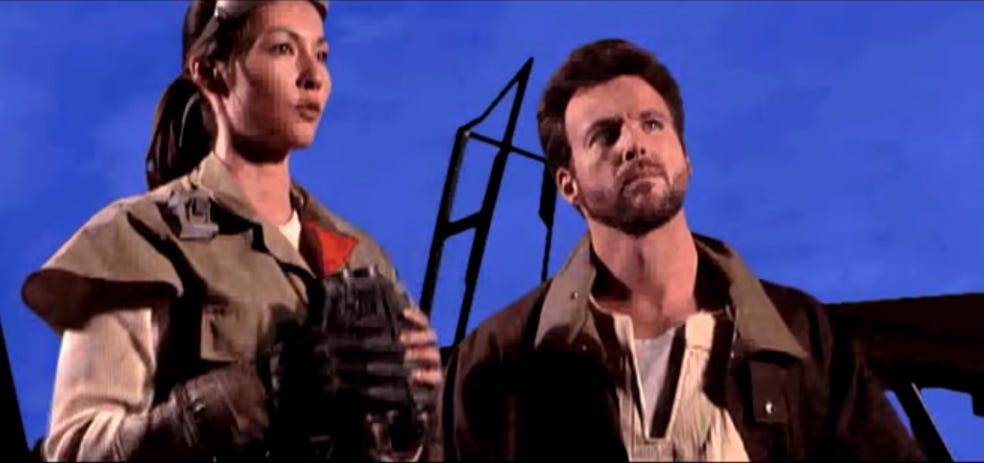
A wild trip down memory lane and a fantastic game that still really holds up, so I dig right into it’s expansion Mysteries of the Sith immediately after, which is the next appearance of Mara Jade since Zahn introduced the very popular character in the Thrawn trilogy. My ‘90s Star Wars knowledge and appreciation compounds, for whatever the fuck that’s worth. Mysteries of the Sith takes a dark, eldritch turn in its final missions as Mara Jade travels to a swampy planet rich with the Dark Side in pursuit of her missing Jedi master. These levels evoke Luke’s dark vision quest encounter with Darth Vader on Dagobah, but expand it and express it through confusing level design, unsettling low-polygon visuals with murky textures, terrifying enemies, and outside-the-box solutions that sync the player’s involvement with Mara’s own subconscious explorations and discoveries. I remember hating these levels as a kid, but as an adult I have learned to love these sort of brutal, deep-recesses-of-the-mind type level designs, complete with shitty, ugly, 3D underwater navigation.
Metroid Prime 4: Beyond comes out, but I don’t know how to get a copy here that’s compatible with my North American Switch 2, so I decide I’ll wait until I get home.
“I just gotta make it to see Prime 4,” Weegar has been saying throughout the year.
“Shut up. You’re gonna be playing Metroid Prime 8,” I tell him.
Shortly after it releases he texts me: Title screen for Prime 4 does not disappoint.
Awesome. We’ve talked a lot about how good the title screens are in the Metroid series, especially the first Metroid: Prime. Weegs forced me into borrowing his copy of the remaster of that game before I left, even though I’m perfectly content with the Gamecube version. Later he sends me a candid photo of his brother, who has flown in to help take care of him, playing Prime 4 on his Switch, zeroed in.
It’s time for me to go back home to Cleveland. Andy makes sure to send me off right with a night on the town in BKK. I start with a coffee date with a Chinese artist and we hit it off more than either of us expected, so she rolls with me for the day. She’s 185 cm, but slender and long-necked, and she eats like she has a black hole in her stomach, which I only find sexy because she is so fit. Later, we meet up with Andy and a Thai golf buddy at my favorite rock bar for some Deftones covers and jump around to cocktail bars and live music acts in the area until after hours. Both Andy and my Chinese date want to keep it going, so the lucky draw in our search for an after hours spot turns out to be a seedy pool hall occupied by a bunch of ex-pats sucking down balloons while Thai girls sit on their laps. Scummy. Whatever. We stay and shoot pool anyway. On the way out I hear one of the ex-pats arguing with one of the Thai girls because he couldn’t remember passing out from the balloons after paying her for sex that they didn’t have. We get some shawarma and call it a night.
In an airport again, reading Mona Lisa Overdrive after finding an English language copy at the Kinokuniya in CentralWorld. My layover in Hong Kong has a traveling parade of Christmas characters, including a jolly white Santa and a bunch of hot Asian elves. Weegar “thumbs up” reacts the picture I send him.
This was nothing like Tokyo, where the past, all that remained of it, was nurtured with a nervous care. History there had become a quantity, a rare thing, parceled out by government and preserved by law and corporate funding. Here it seemed the very fabric of things, as if the city were a single growth of stone and brick, uncounted strata of message and meaning, age upon age, generated over the centuries to the dictates of some now-all-but-unreadable DNA of commerce and empire.
The in-flight movie service has a “Hollywood in Asia” category and I watch The Last Samurai. This movie fucks me up. The White Savior Narrative gets a bad wrap. I’m discovering I’m nostalgic for this era of early 2000s films that still feel like real movies. Historical epics with real movie stars. Formulaic studio products, to be sure, but refined, perfected. Movies like The Patriot and Gladiator. They have a certain grace to them, but none so much as The Last Samurai.
I’ve lost the key to my house somewhere in my luggage, so I have my friend pick up me at the airport with the spare I gave her. At the house, my roommate has decorated for Christmas, including a small tree with presents under it. Everything smells nice. I’m not bitter about being back, nor am I finding myself annoyed by subtle little changes to my home like I thought I might be.
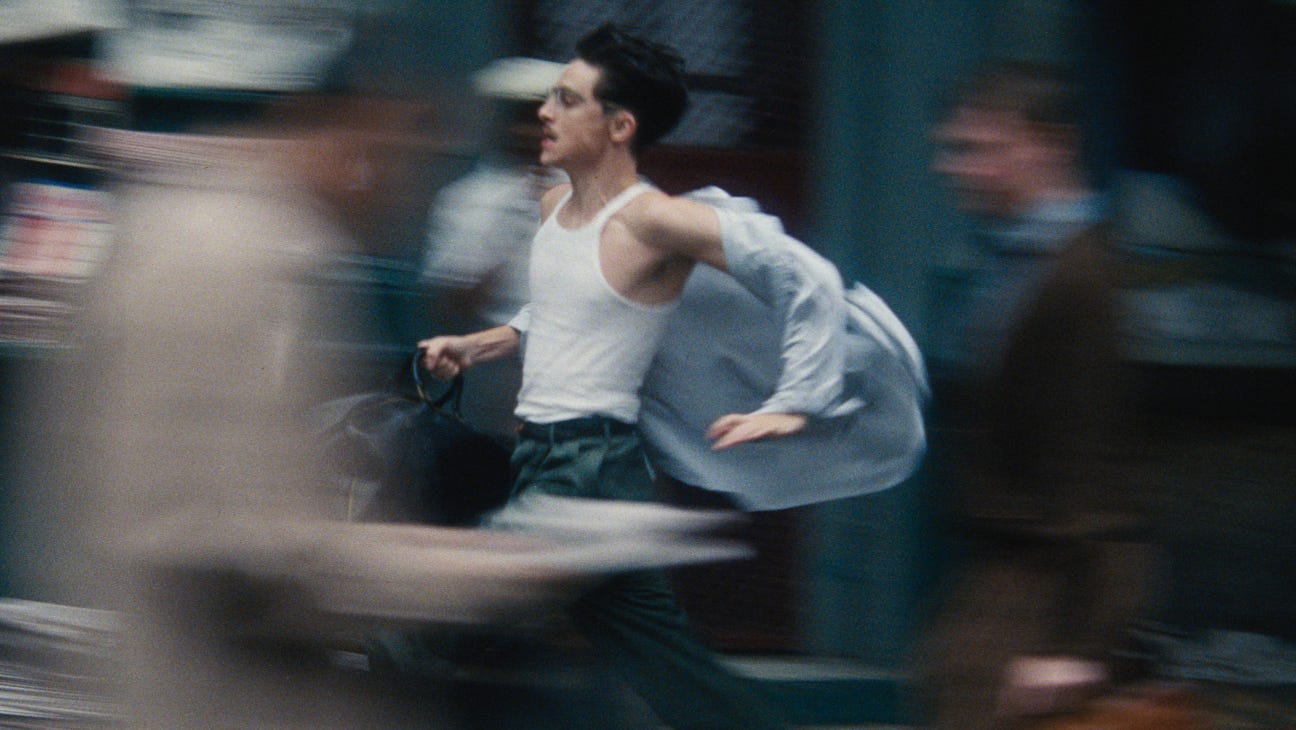
The holiday comes and goes, I see my family and per usual I don’t really feel like talking about my travels, or maybe I just don’t want to repeat myself across two households. The day after Christmas I go back to my mall and check in on my konbini crush. For the first time across our numerous short conversations she casually mentions her husband. Son of a bitch. I’m happy to be home, but I’m reminded of its disappointments. I meet some friends and we see Marty Supreme. I did not expect it to be the third of a spiritual Safdie “anxiety trilogy,” following Good Time and Uncut Gems, but I’m happy that’s what it is. I confidently call it the best movie of the year as we walk out.
Later in the week, I get a call about Weegar. He’s dying. Not much time left, but we can come and see him.
I rush to the hospital. I see friends I have known for twenty years, but have never seen cry. My steps quicken involuntarily down the hospital hallways, just to get to that hug with a friend a little bit sooner, jaws-of-death-vice-grip around my best friend since I was eight years old. I will not share what it is like inside the room with Weegs, but the waiting room grows with more and more friends as we slowly take turns letting people in to see him. Eventually, we take over the whole waiting area, and even under such awful circumstances it is impossible to get this many of these friends together and not have us getting too loud, too fun. We’re telling stories, laughing too hard. It feels like we’re about to be a nuisance for the hospital, and I know this would make Weegar smile. It’s so, so terrible, but we’re here together. The next day is New Year’s Eve. We forego any rowdy celebration like we might usually have and instead get together at a friend’s and celebrate Weegar, support each other. In between joke-riddled bouts of some forgotten Capcom 3D fighter, I break down crying, champagne catching up to me.
“It feels like we’re all here mourning him, but he’s still alive, just laying there in that room,” I blubber out. I have no idea how long he might be like that and it scares me. I just want it to be over. Just let him go.
He dies the next day, first of the new year. I thought I had already known this was the outcome, thought I just wanted to hear it and get it over with, but still, getting the call and having it confirmed devastates me like it’s a total surprise, like I didn’t even know he was sick. I think I’m alone in my nunnery home. I curl up on the shower floor and scream sob. When I get out I discover that my roommate has come home, and with a lady no less. He hugs me. He knows what’s been going on, but he never knew Weegar. He’s a good dude, but I only want to grieve with people who knew him. Fortunately there are many of us.
My first trip to Asia was to Japan in 2017. I had gone with Weegar and Andy and two other friends. It was the first time for all of us except Andy, who is hāfu. It changed all of our lives. Weegar met his fiancee on that trip. He spent much of his time in the years after traveling and encouraging his friends to do the same. Japan and Thailand, two places that would become very important and life-changing to me. He was charting that territory, proving that I could do the same, encouraging me along the way. There’s a picture of us from that first trip at a modest, neighborhood shrine in Kyoto. It’s not a spectacular sight, or even a particularly well-composed photo; the five of us struggled to take it with a propped-up phone and auto-timer. But I can see the entirety of our friendships in that photo, the paths that started as teenagers, some earlier, that brought us together, mostly through a love of video games and a raucous sense of humor, saw us through high school together, endured all the good-humored yet relentless bullying we threw at each other. I can remember the exact way Weegar belted out “It’s so nice out!” one spring day when he drove me to the comic shop. He played the Metal Gear Solid 3 soundtrack from a CD in his car and I hung halfway out his window on the highway during the song that plays when Snake makes the HALO jump out of the C-130, horizontally approximating his sky-dive, screaming with excitement. I can see the five of us on that first trip, not even experiencing Japan, just trying to fall asleep scattered recklessly across our tiny Tokyo apartment, but keeping each other up with an endless string of dumb jokes and a bottomless conversation about Mega Man. I can see us all, child-like wonder in our eyes as we discover the nerd mecca of Akihibara, picking up one game after another off the shelves in Super Potato and just showing them to each other, pointing at the covers with stupid grins. I can see all the different paths we took after the convergent point of that trip, and how each of us found our different ways back to Japan, and in one way or another each made Asia an essential part of our futures. This moment, the five of us in that shrine in Kyoto, is an anchor node to The Lange That I Am. A Kirby cover flashpoint of psychoplasm, binding us across infinities. I would give up so, so much to have Weegar back, but I could not trade this moment we shared. I could not recognize a version of myself that does not have this. I want no part of a past that does not lead to this moment, no part of a present or future that does not spin out from it. The picture exists in my head in motion, like scan-line video, leading to the moment captured, then freezing with a stock snapshot sound effect, desaturating slightly as it falls back from full frame, closing out an episode of some imaginary anime of our lives. Pixel-crystallized perfection, video game credits rolling over an 8-bit sunrise, our own animated sprites side-scrolling in an endless run cycle along the horizon, chiptune fanfare in exuberant crescendo.
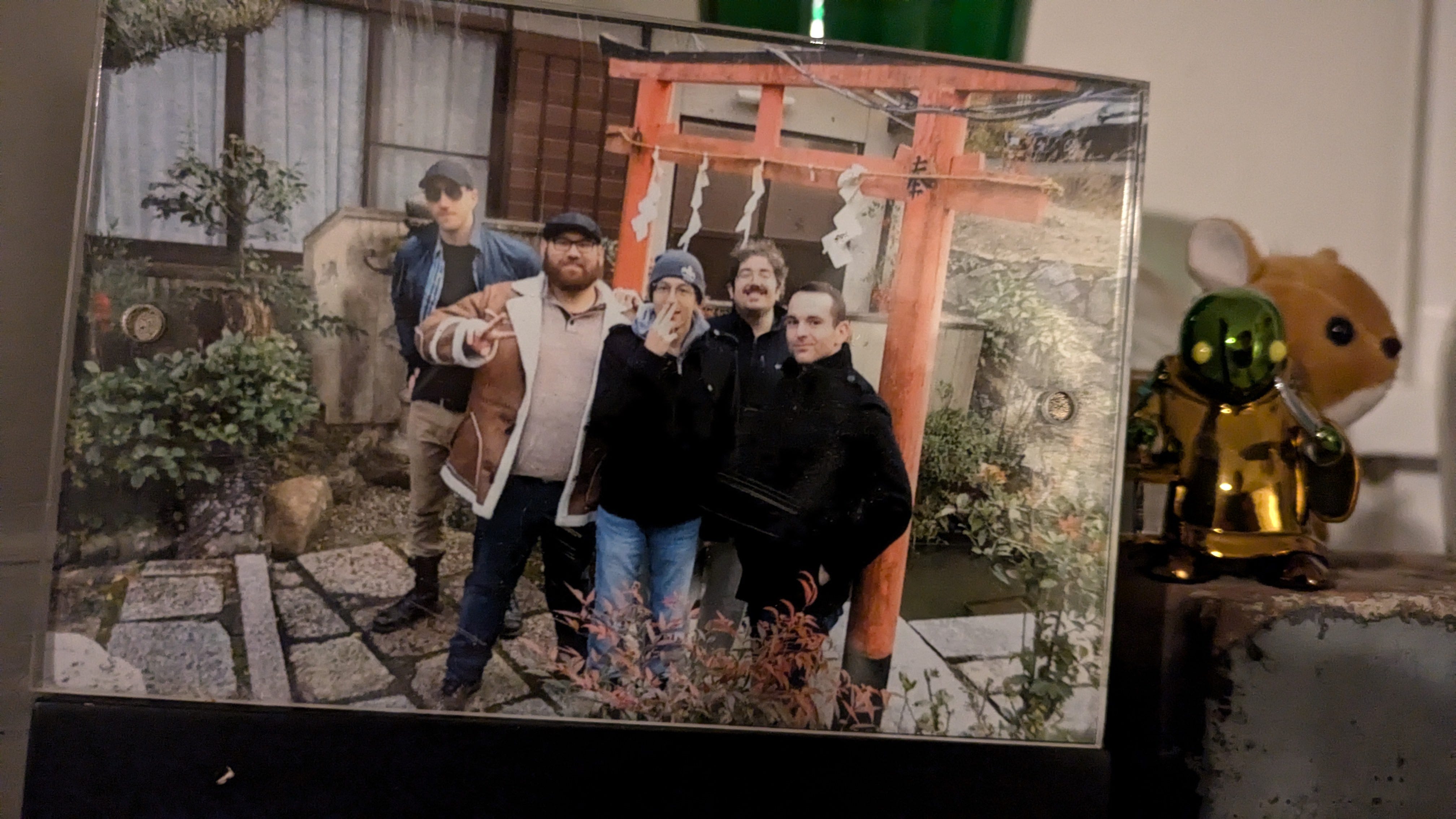
—Lange
beautiful as always.
I’ve missed reading your writing. Welcome back.